Nakba Day, London, Voices in the Street
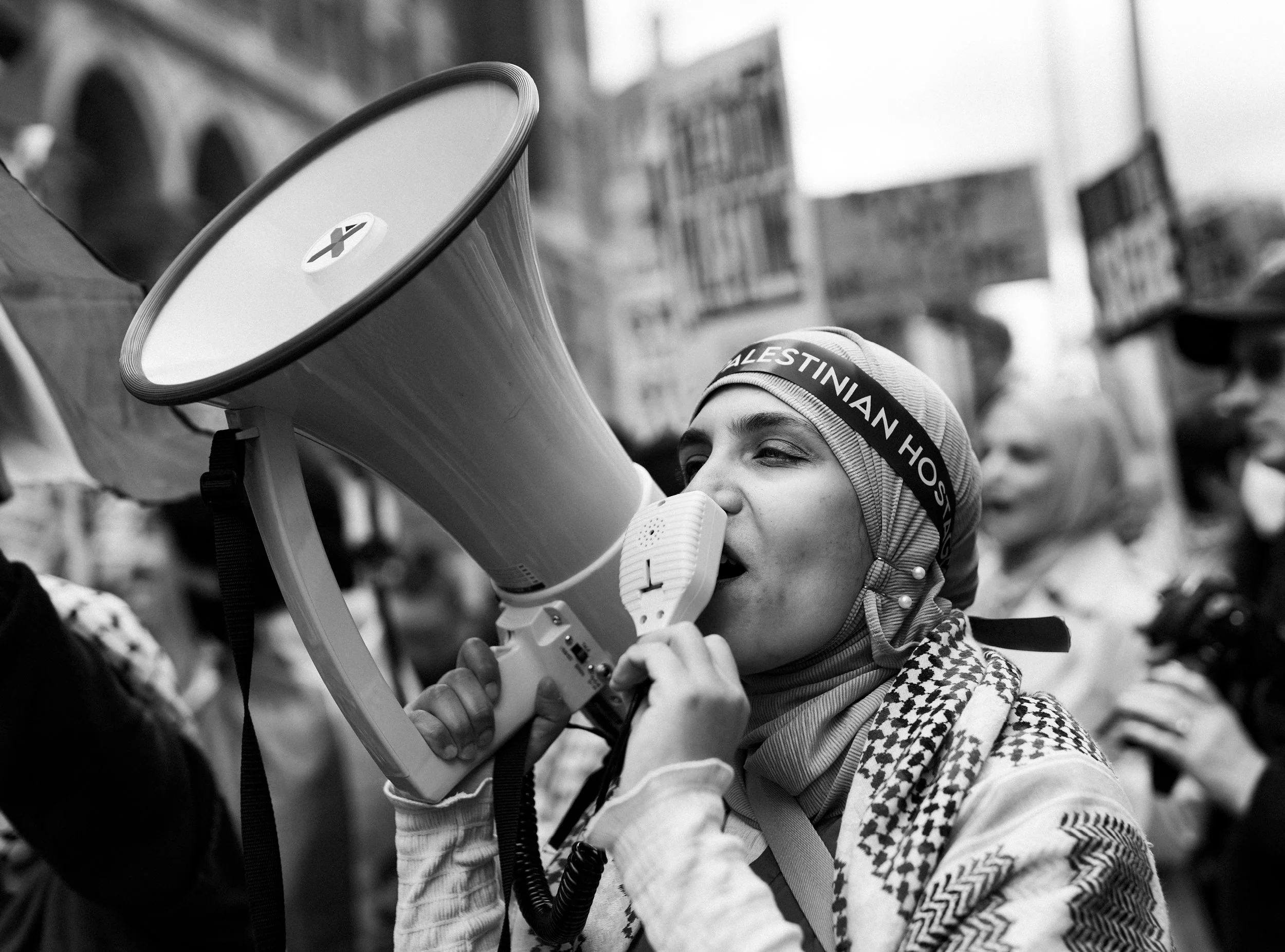
I arrived early to the Nakba Day protest in London on Saturday 16th May, something that is very unlike me… not, while organisers and volunteers were still setting up along Exhibition Road. At first, the streets felt unusually calm, almost hesitant, with small groups gathering beneath grey skies and the occasional flag catching the wind. But that quietness did not last long.
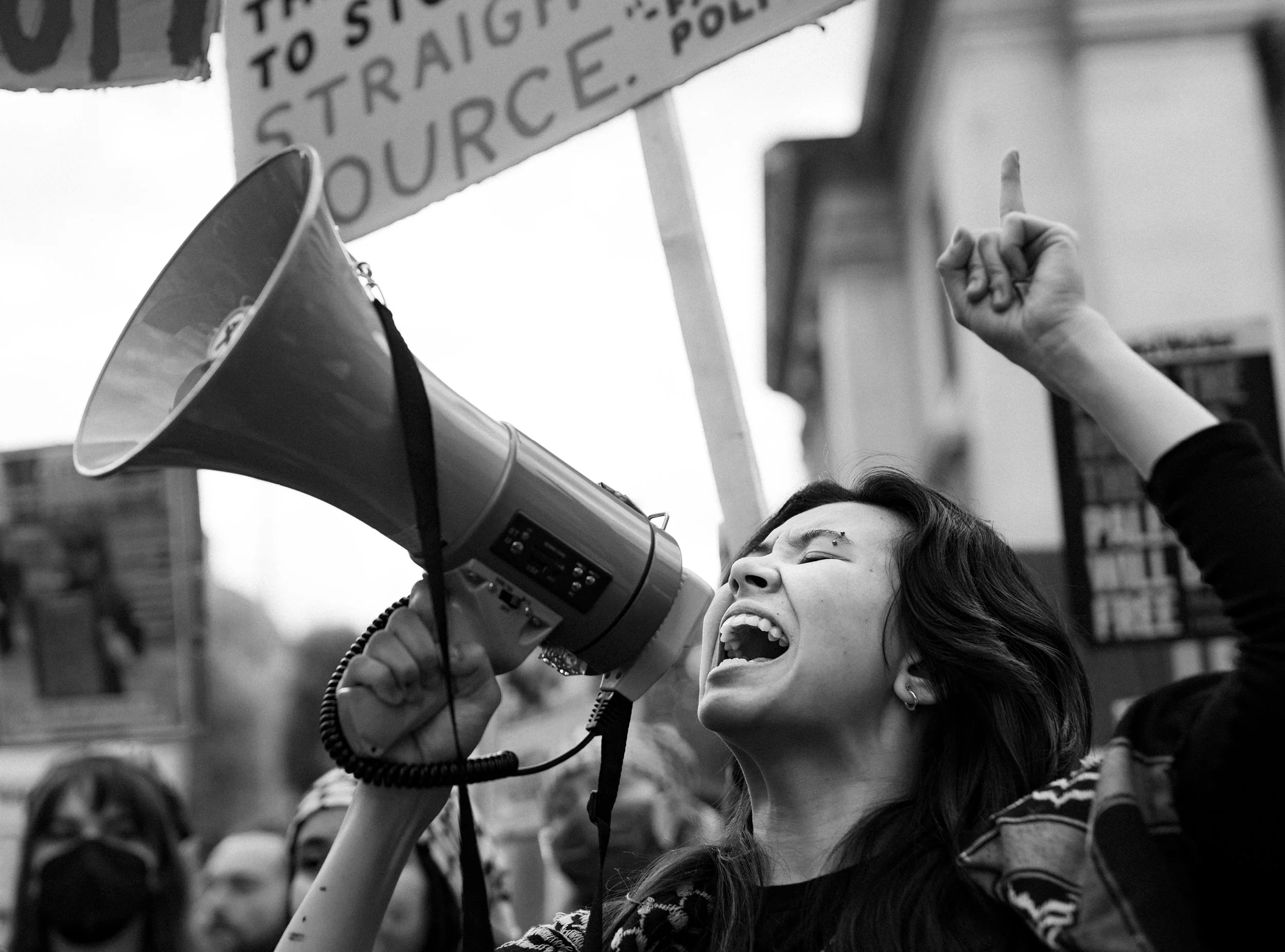
Within the hour, the road transformed.
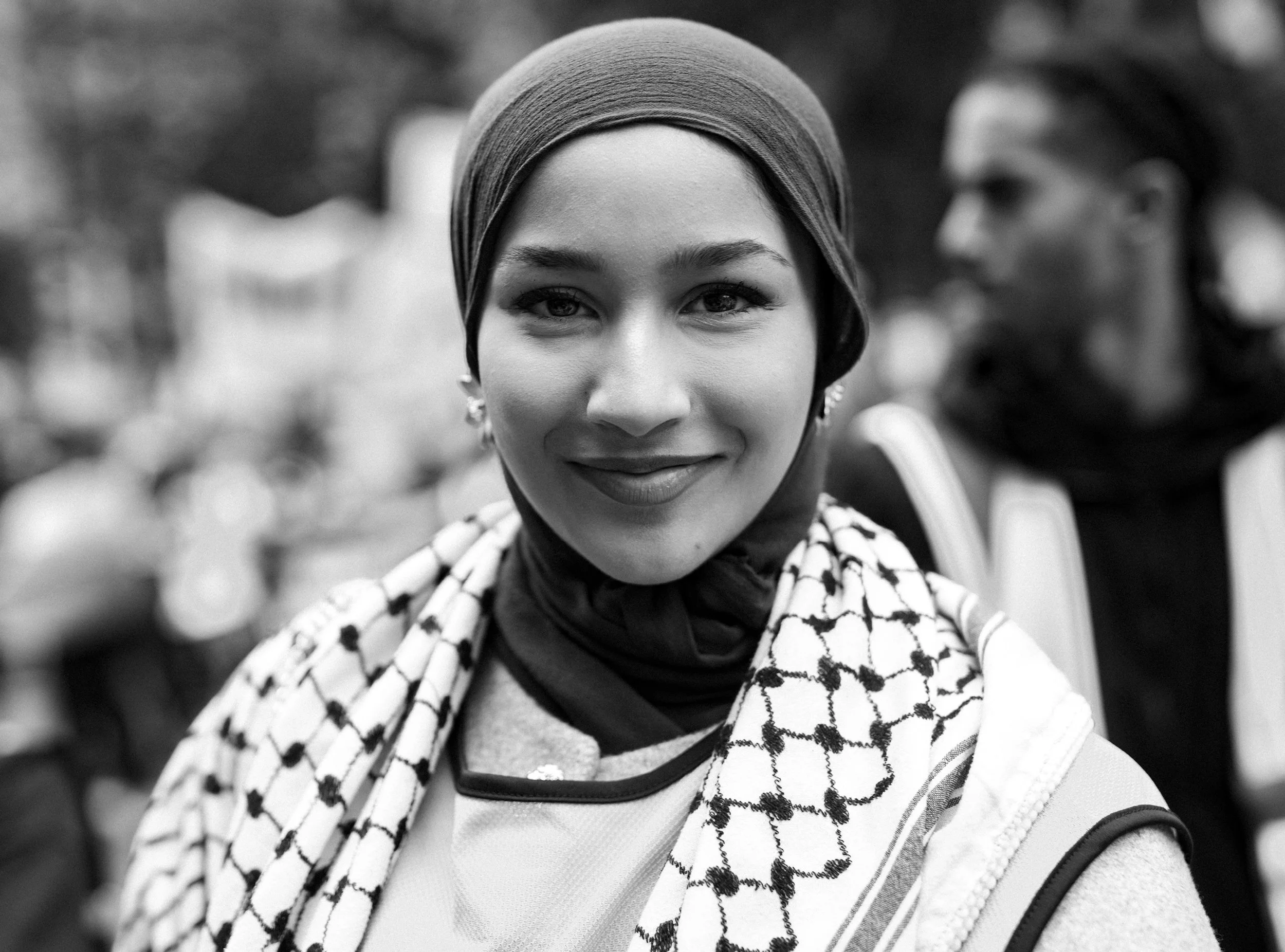
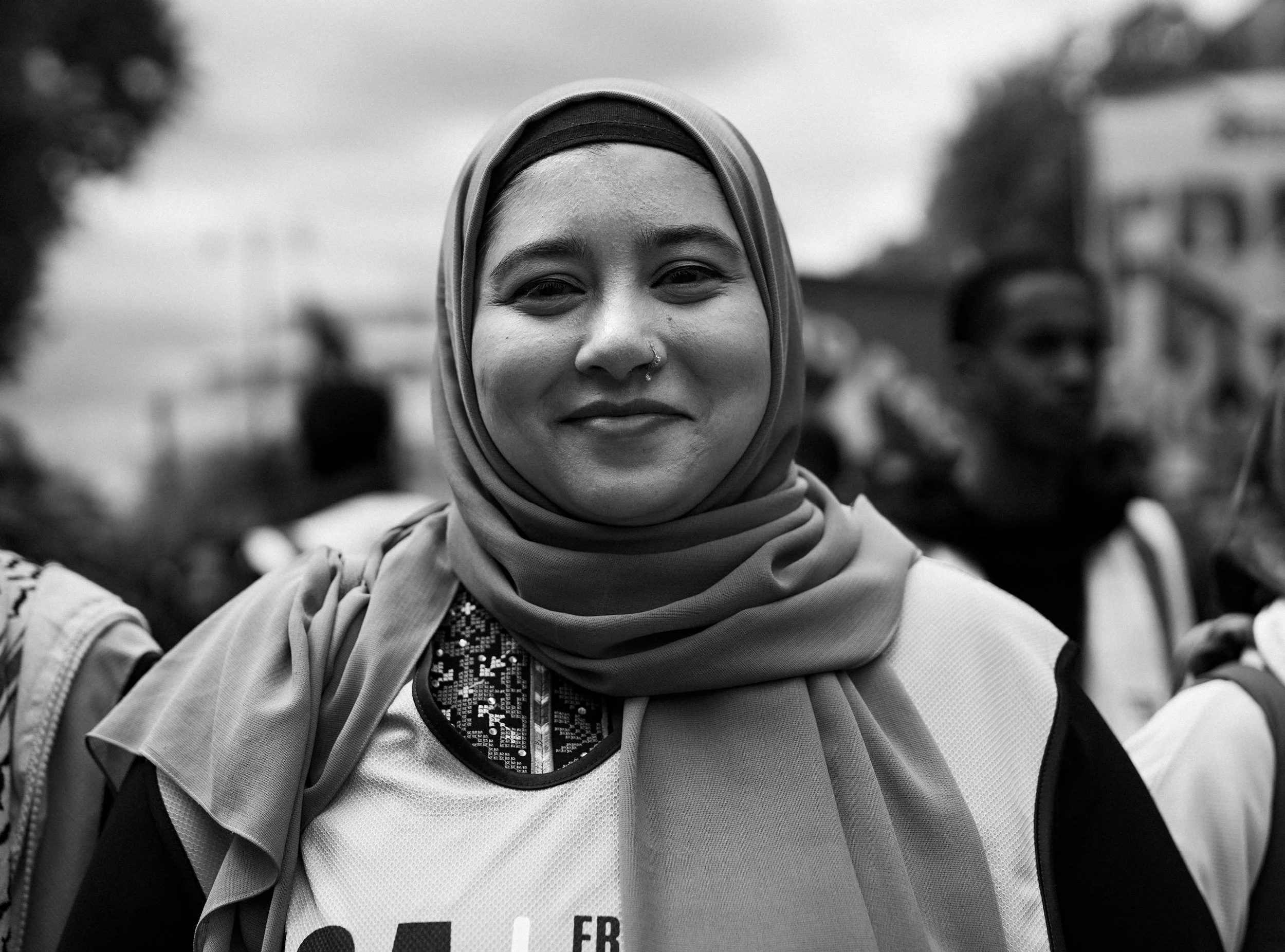
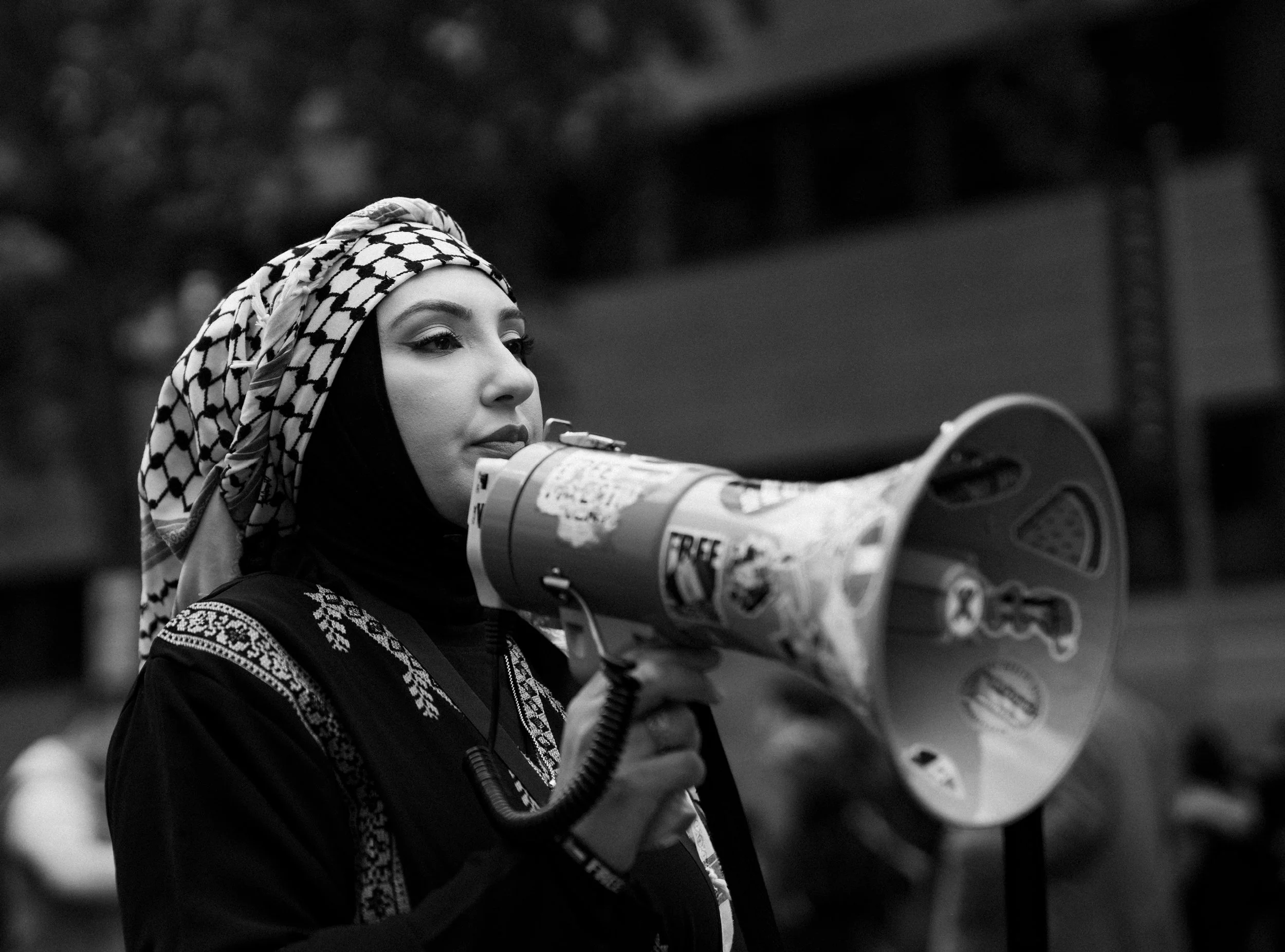
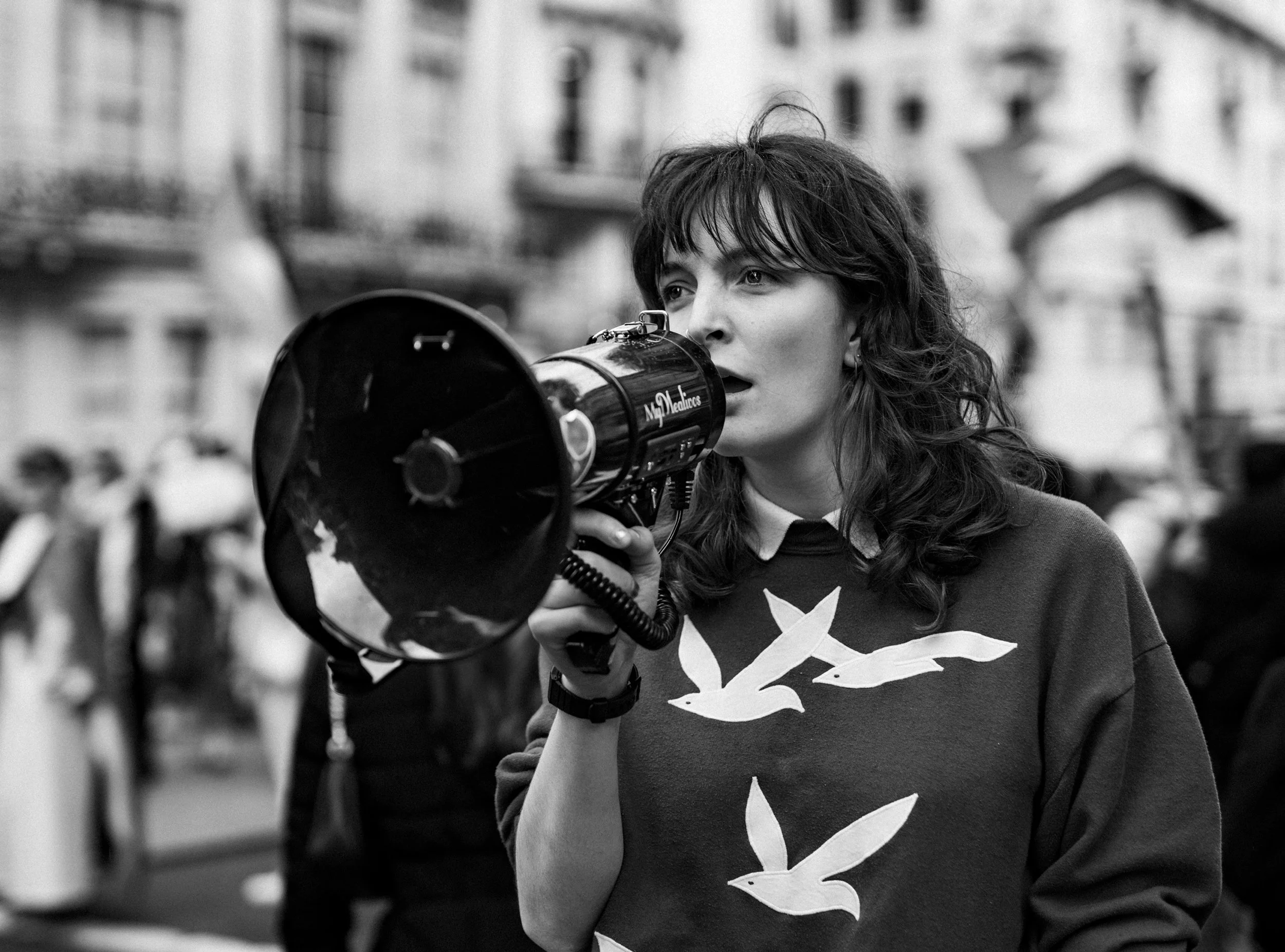
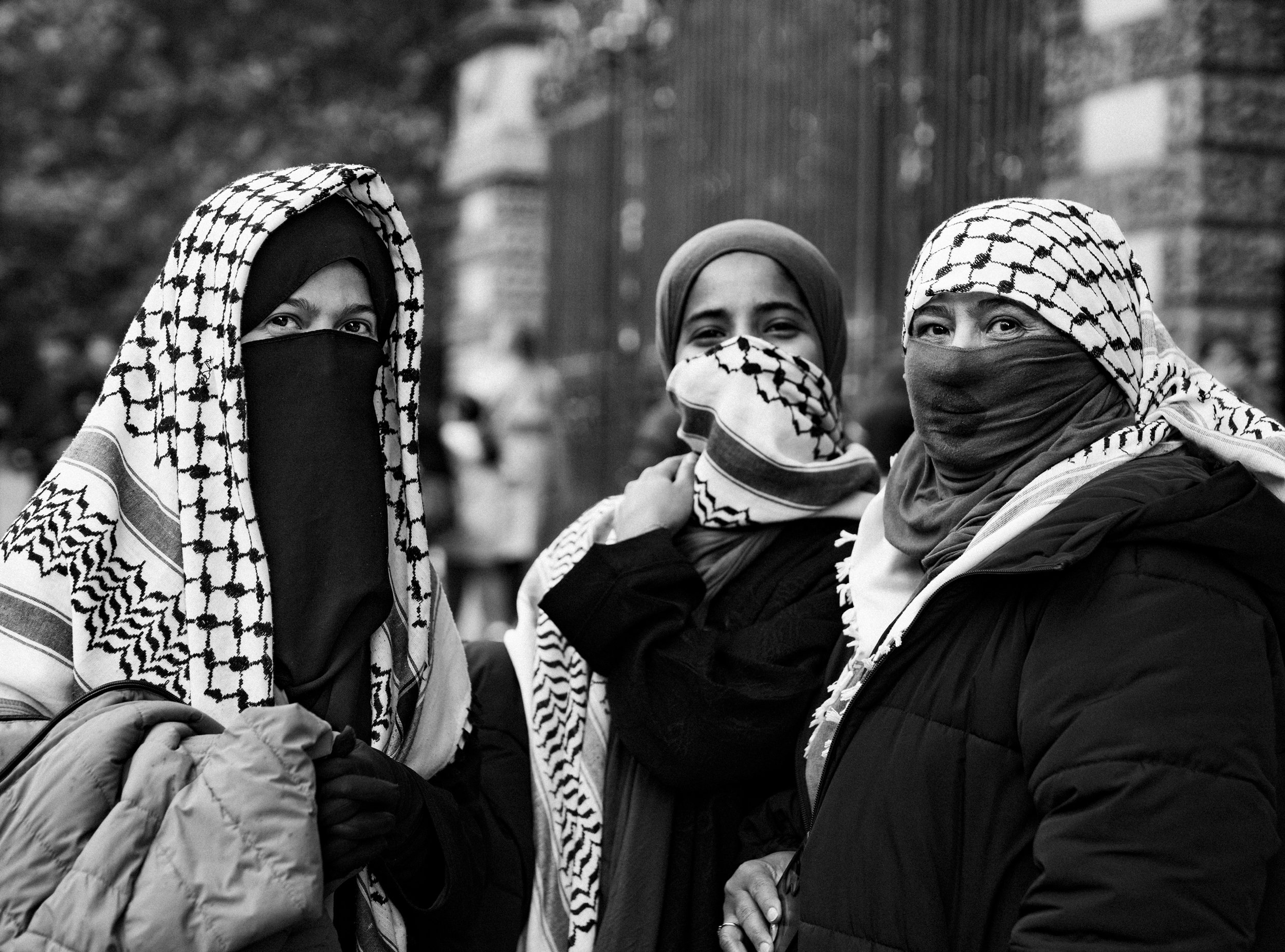
Voices echoed between the buildings, drums rolled steadily through the crowd, and flags from many nations appeared side by side. People from different backgrounds, faiths, and communities had gathered together in solidarity and protest over what continues to happen in Gaza, Lebanon, and Iran. The atmosphere was passionate, loud, emotional, but overwhelmingly peaceful.
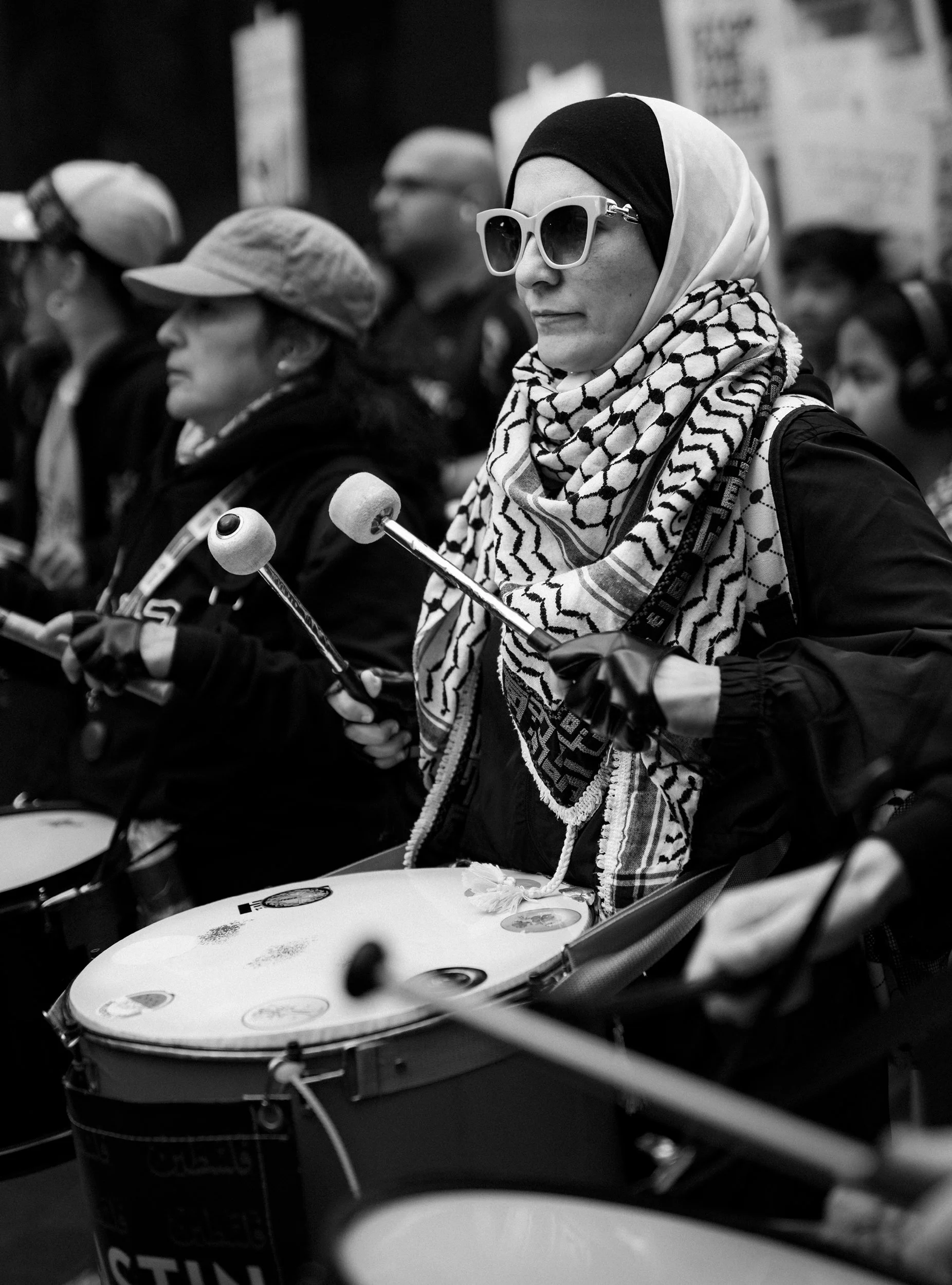
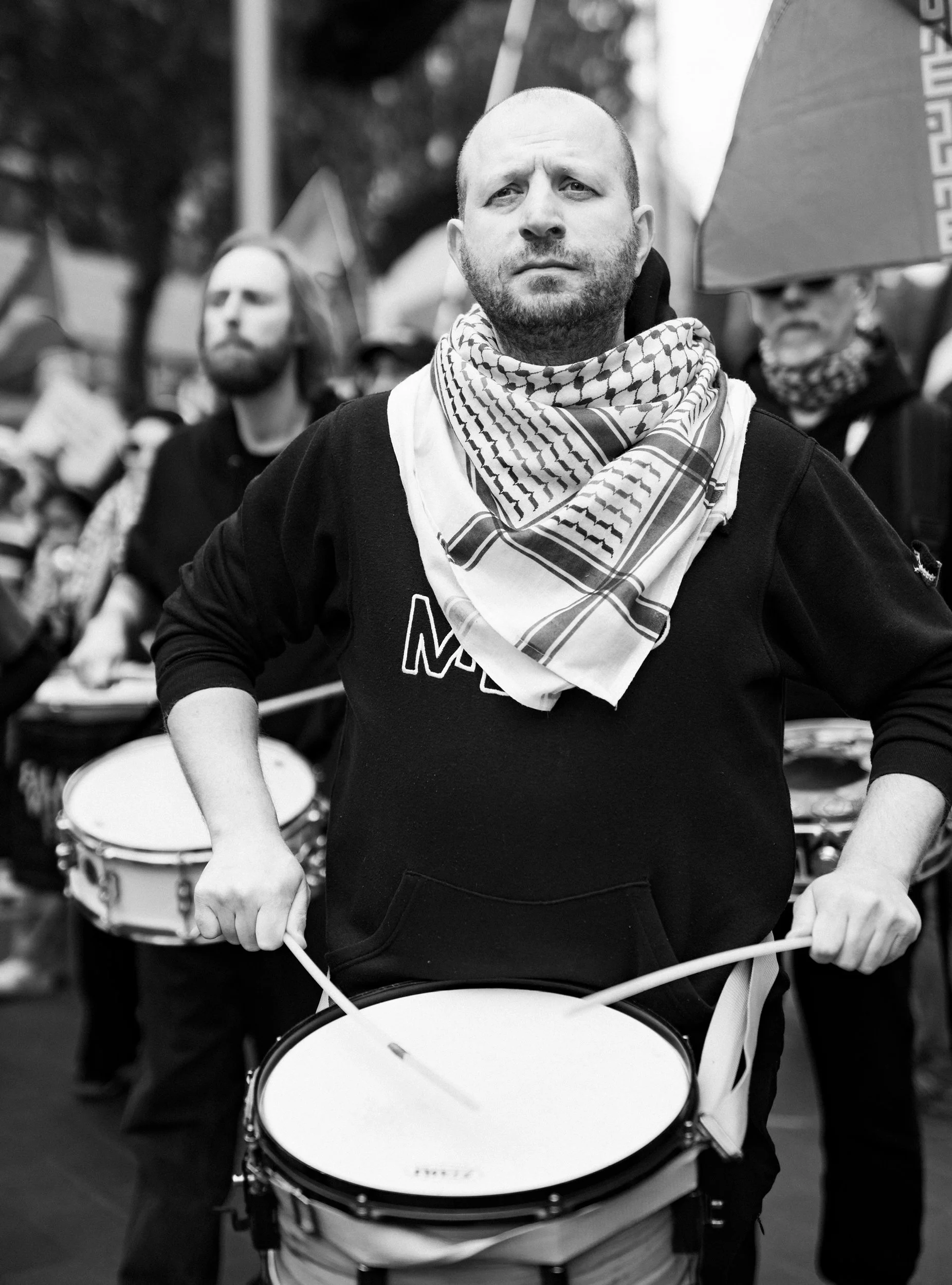
That’s something that often gets lost in coverage of demonstrations like these.
Families marched alongside students. Elderly couples walked beside teenagers carrying placards almost as big as themselves. Chants moved like waves through the crowd, rising and falling as we made our way through central London. Despite the anger people feel toward governments and institutions, there was also a strong sense of unity and humanity throughout the day.
Still, there were moments that left a bitter taste.
I witnessed several arrests that felt entirely unnecessary.
The first involved a man who had been asked by police to remove his mask. He complied, but then, for reasons only he knows, he decided to run. Unsurprisingly, that immediately triggered a response from officers, and within moments he was taken away. Running from police in the middle of a protest is never going to end well.
The second arrest was harder to understand.
A man dressed as the Grim Reaper was detained despite appearing to pose no threat to anyone. His costume, mask included, was clearly part of the day’s symbolism and protest theatre. He removed the mask when instructed, yet was still arrested afterwards. Watching it unfold felt absurd and heavy-handed in equal measure. It is difficult not to think about surveillance, facial recognition, and how increasingly normalised these measures have become in public demonstrations. At times it genuinely feels like we are edging closer to something Orwell warned about decades ago.
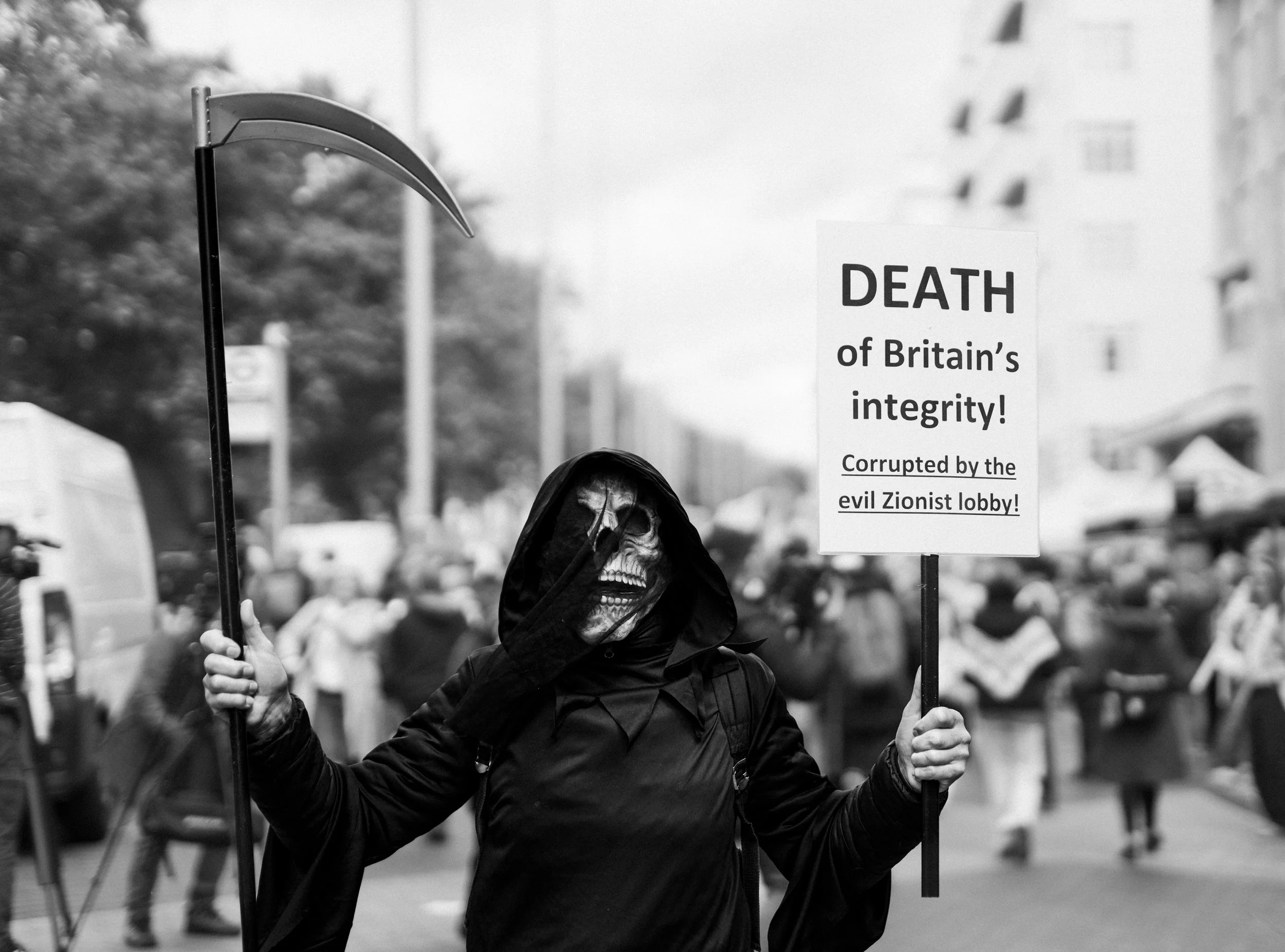
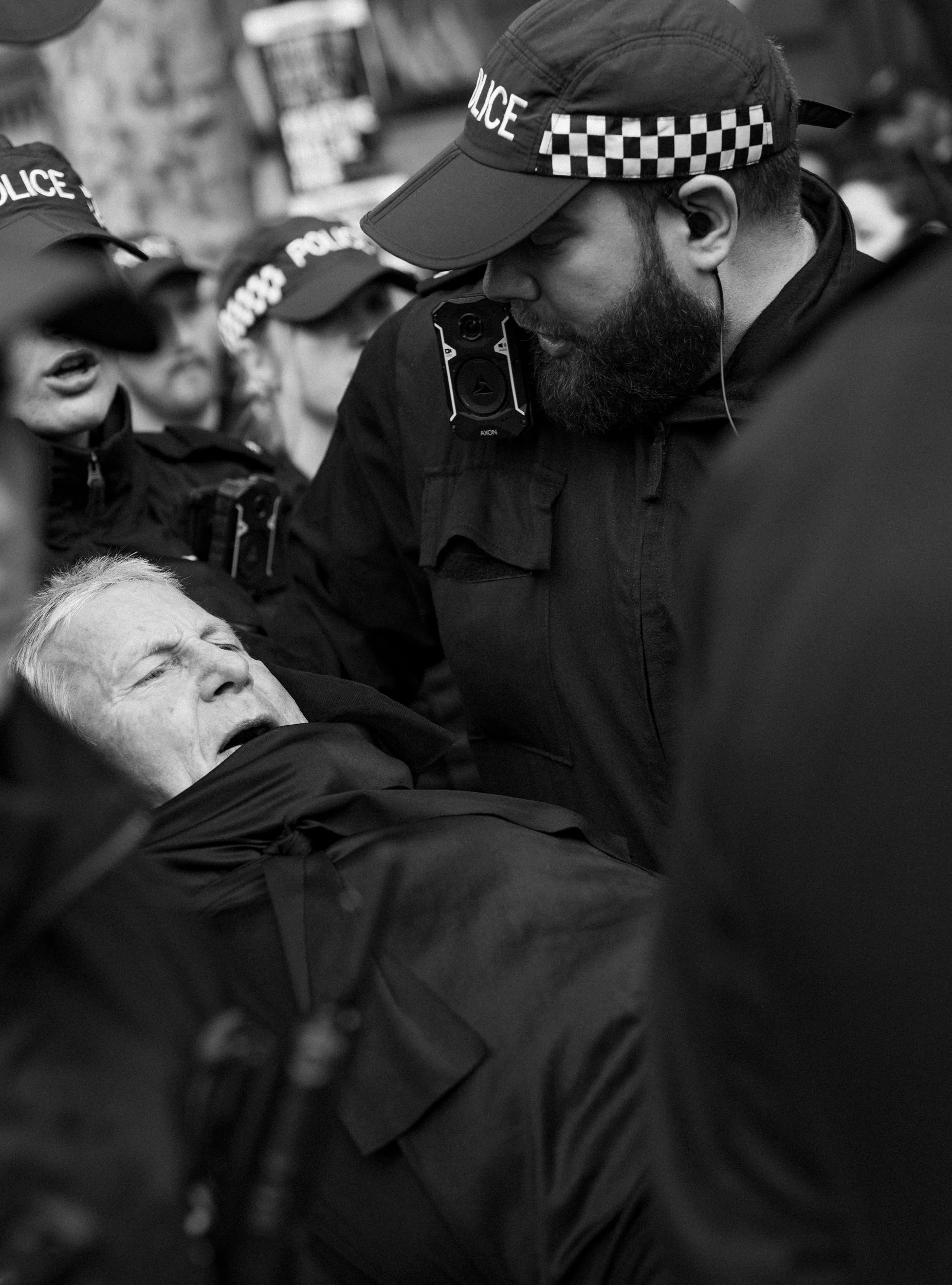
Man in the death mask arrested after removing his mask.
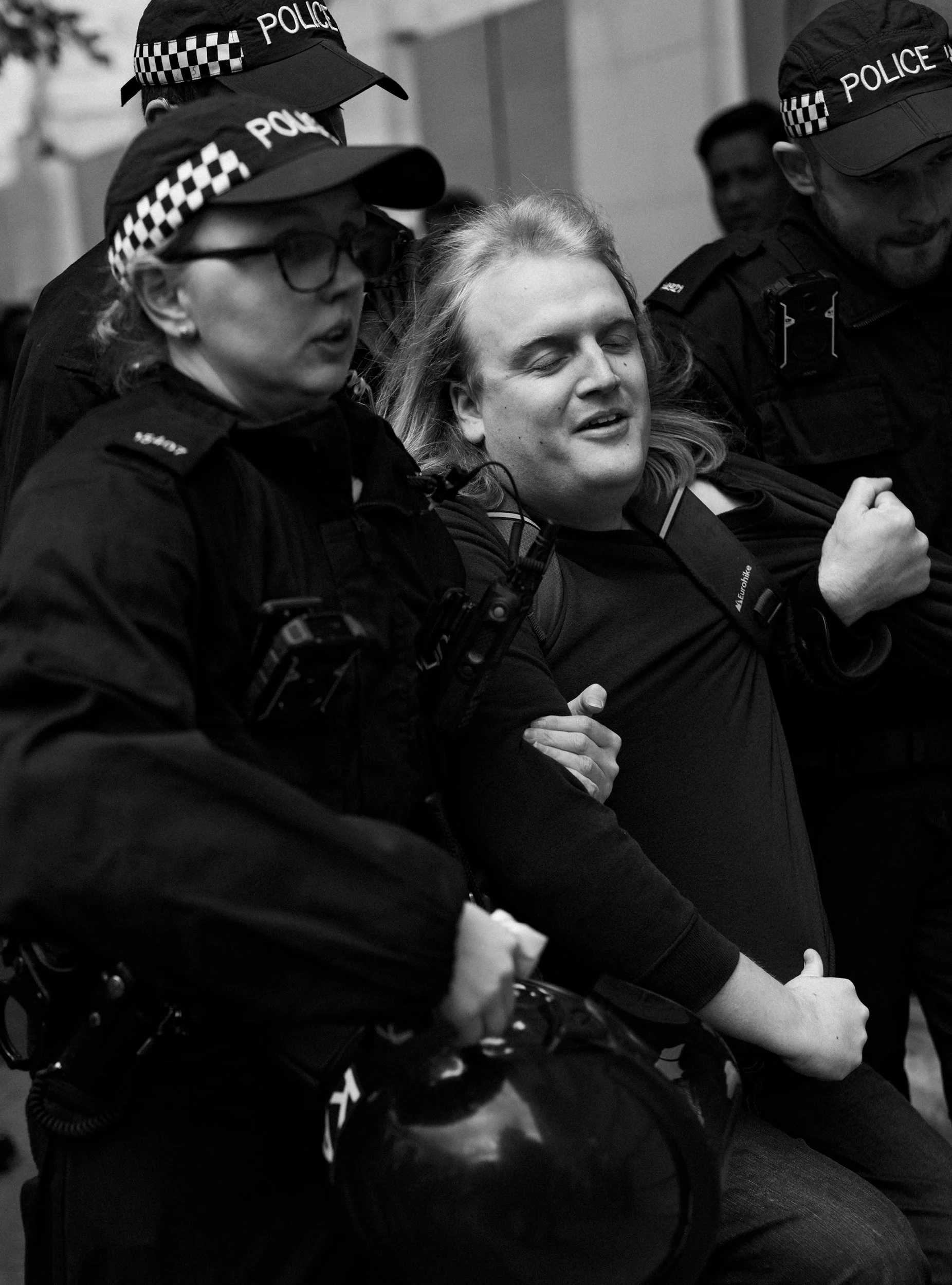
Man who removed his mask after being requested, than ran…
And then, of course, police forces ask why public trust continues to erode.
By the time the march reached Pall Mall, the sheer scale of the protest became impossible to ignore. Reports estimated attendance at over a quarter of a million people. Looking back through the crowd from street level, it felt endless, a sea of banners, keffiyehs, and raised voices stretching far beyond view.
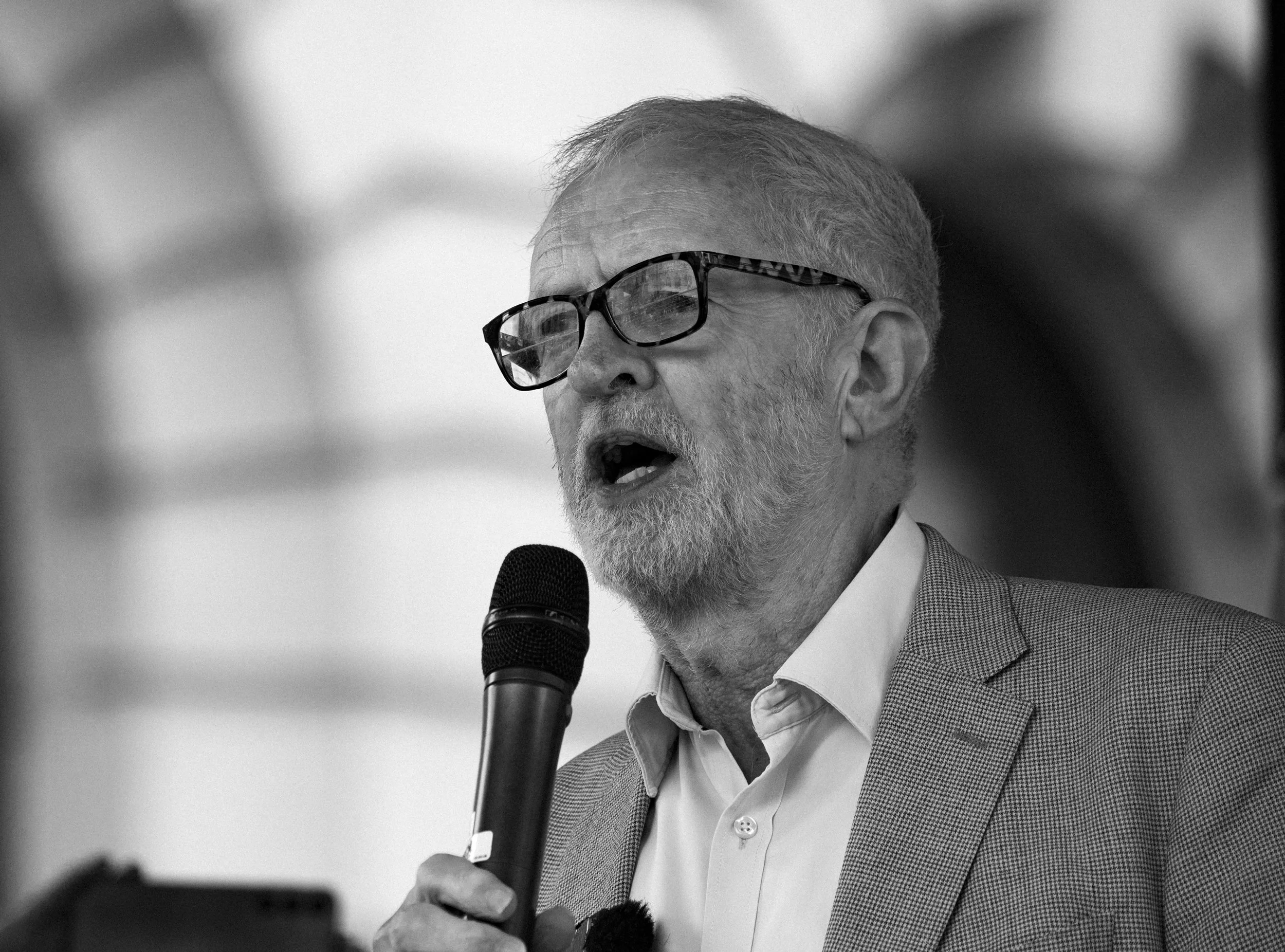
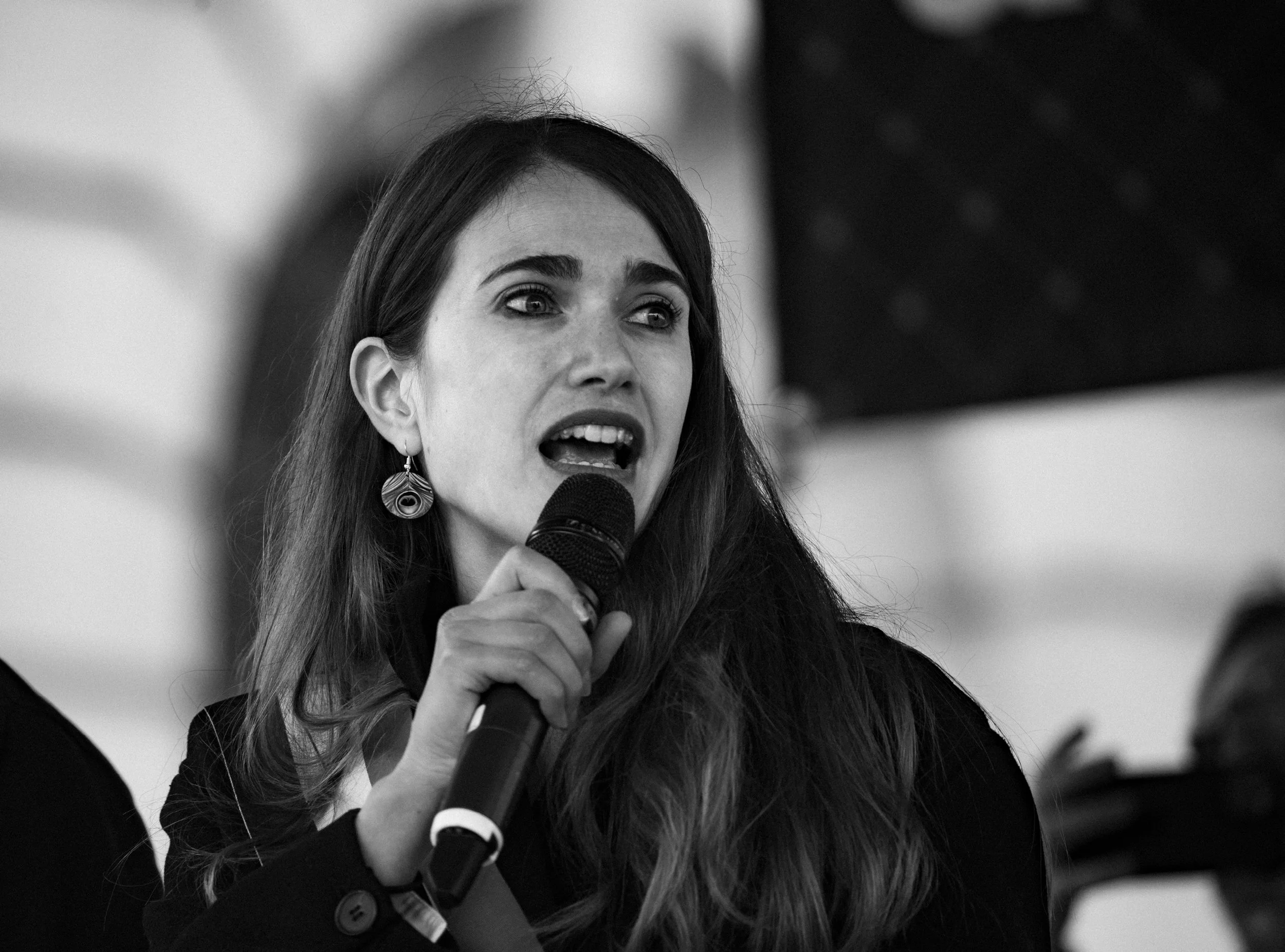
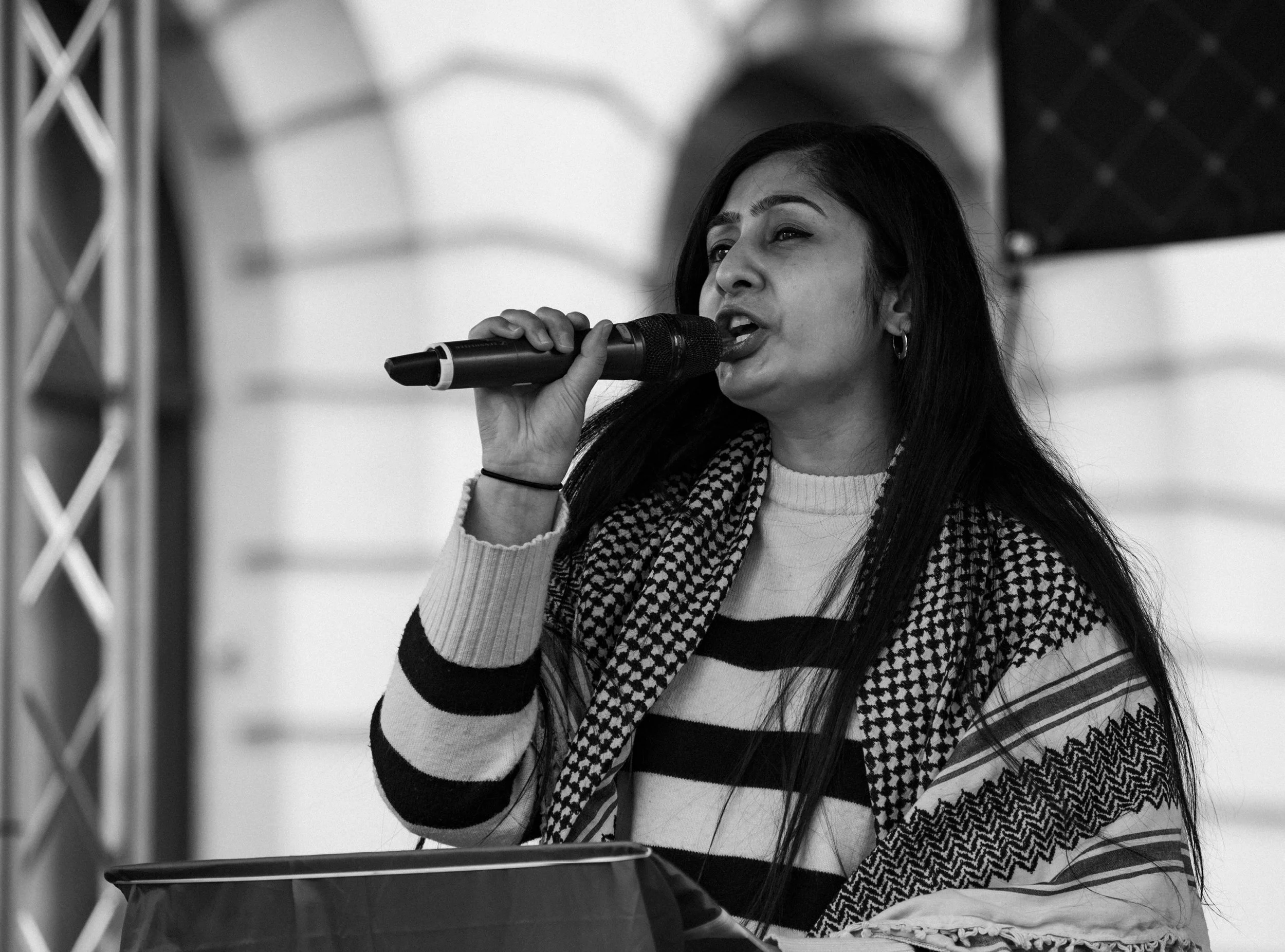
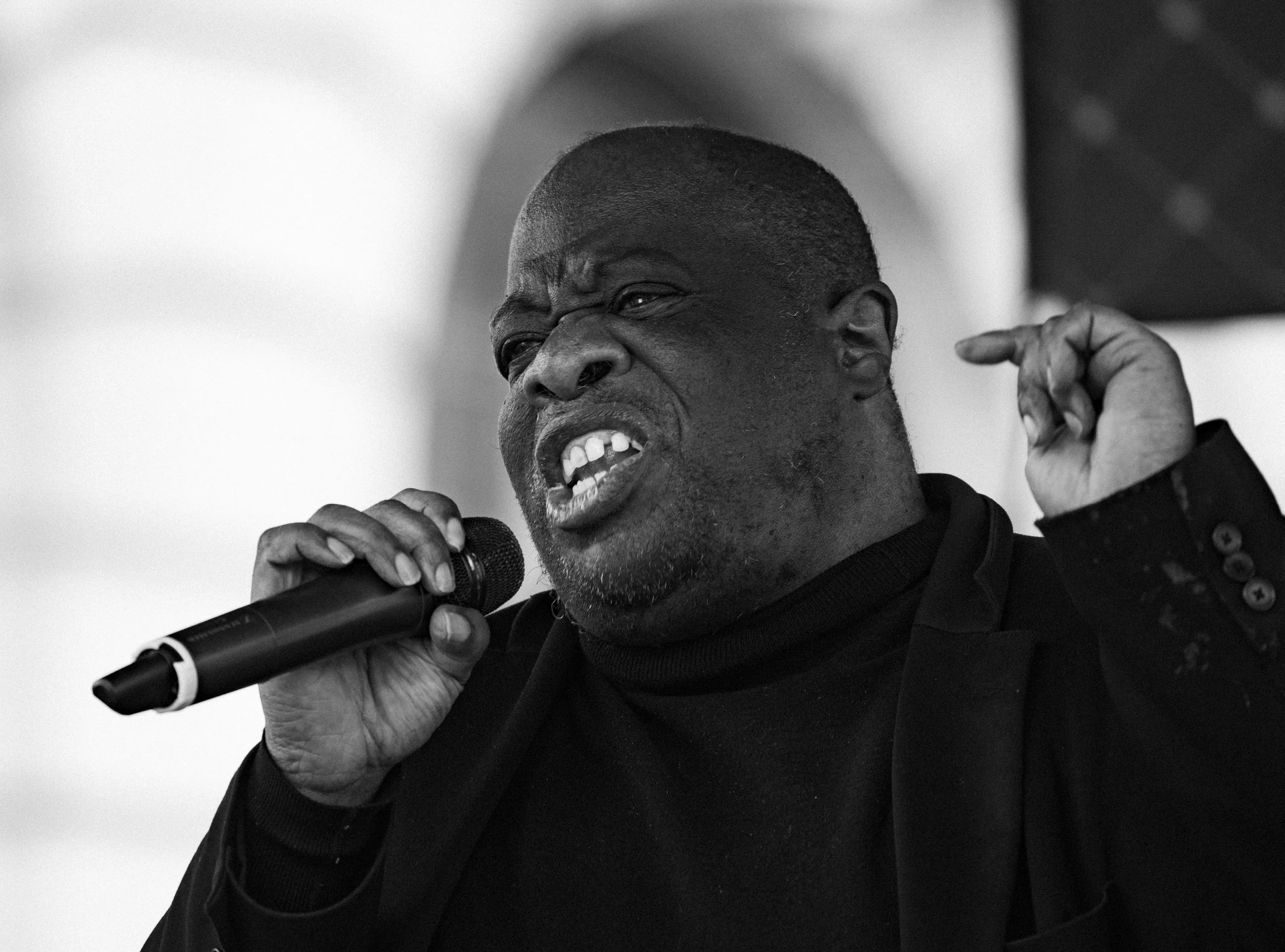
I managed to work my way toward the front where speeches were taking place and photographed talks from figures including Jeremy Corbyn and Zarah Sultana among others. Whatever side of politics people stand on, moments like these are undeniably historic to witness firsthand through a camera lens.
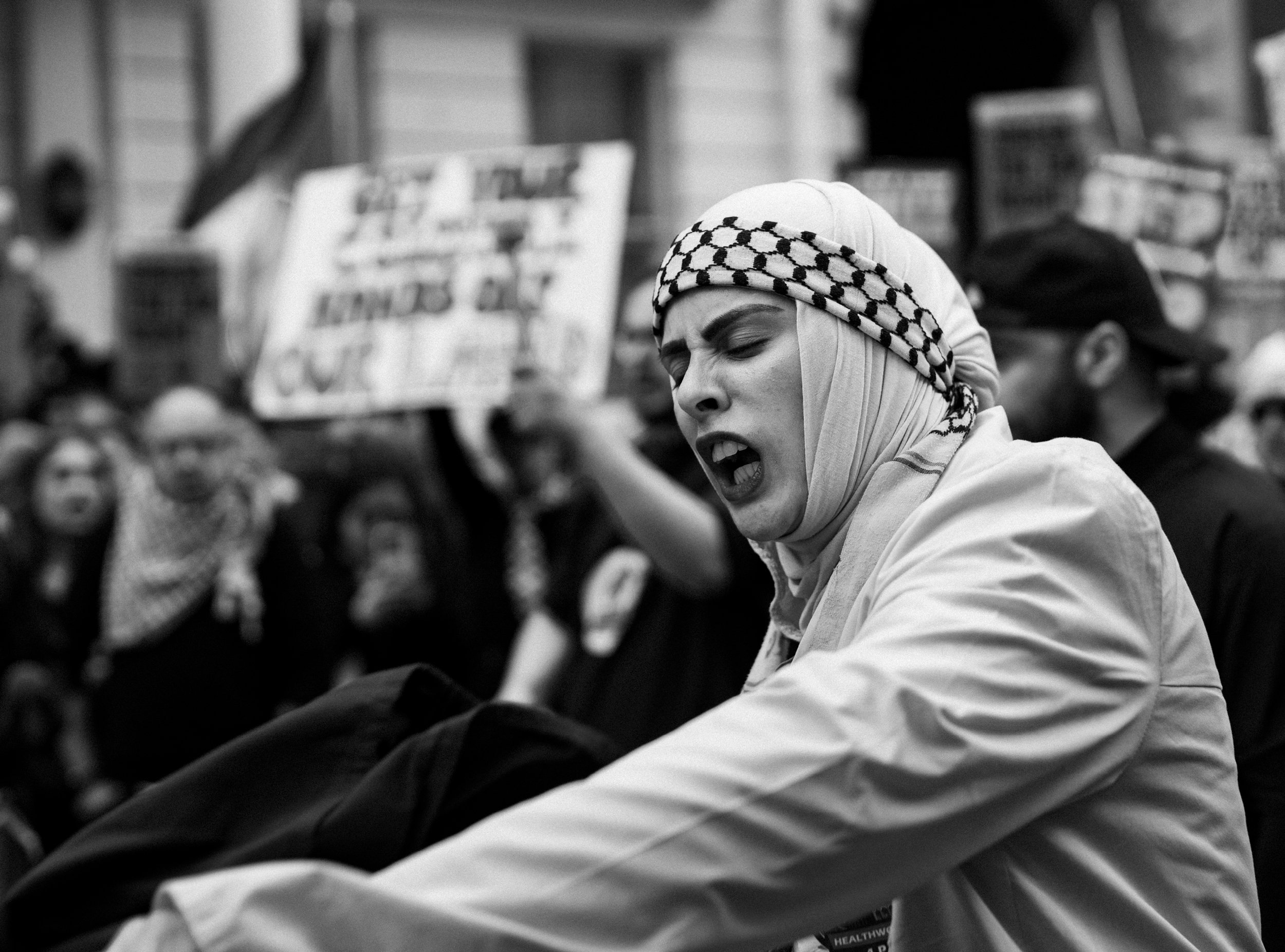
And then, almost as quickly as it began, it was over.
People dispersed rapidly and orderly into side streets, tube stations, buses, and the rhythm of normal London life resumed. It is always surreal watching a crowd of that size simply dissolve back into the city.
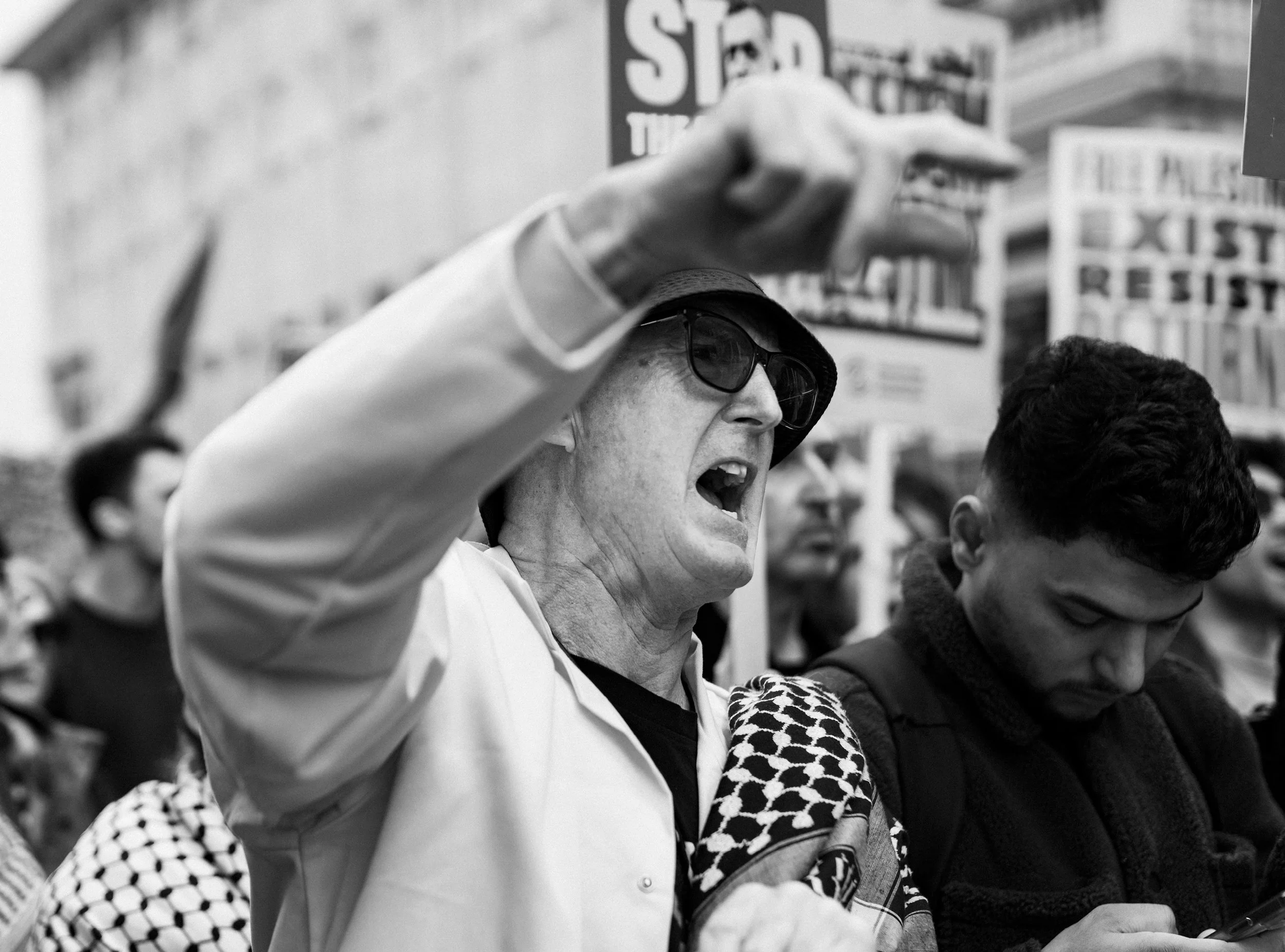
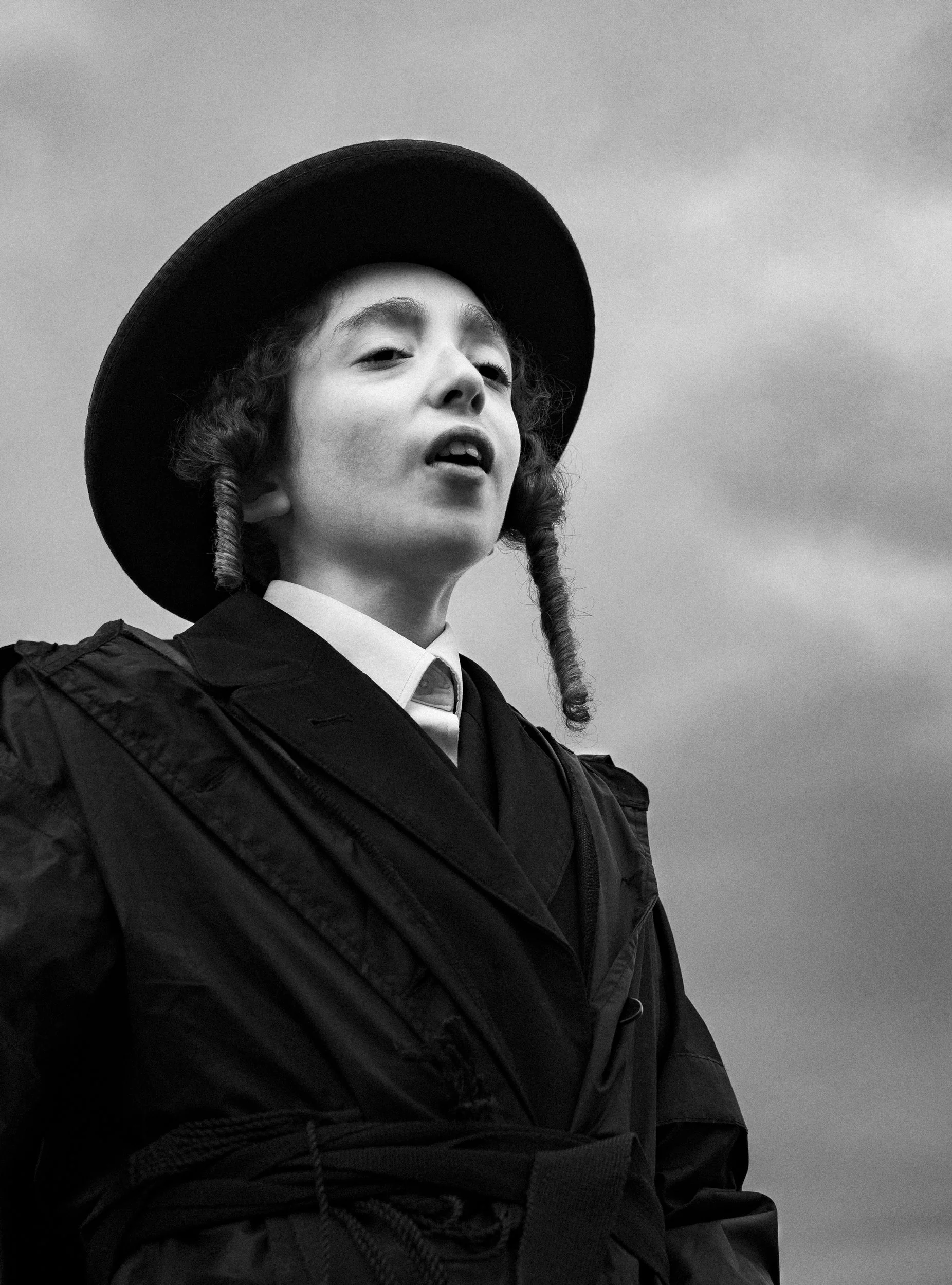
Young man making his voice heard
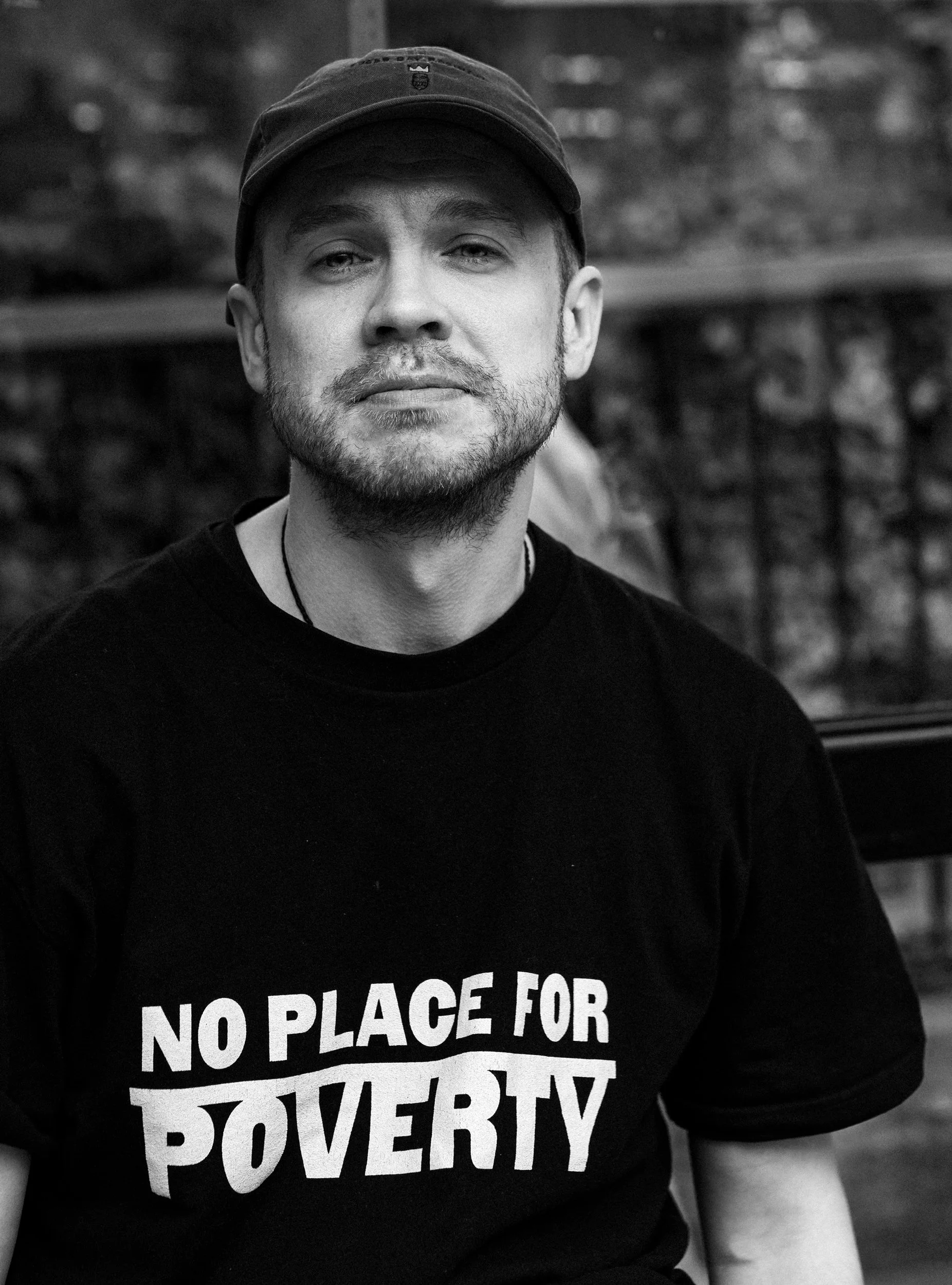
Gary Stevenson seen on the march route
No riots. No chaos. Just people going home after making themselves heard.
Whether those voices will lead to meaningful action from the people who actually hold power is another question entirely.
For now, all that remains are the photographs, the noise of the drums still ringing faintly in memory, and the feeling that thousands upon thousands of people showed up because they refused to stay silent.
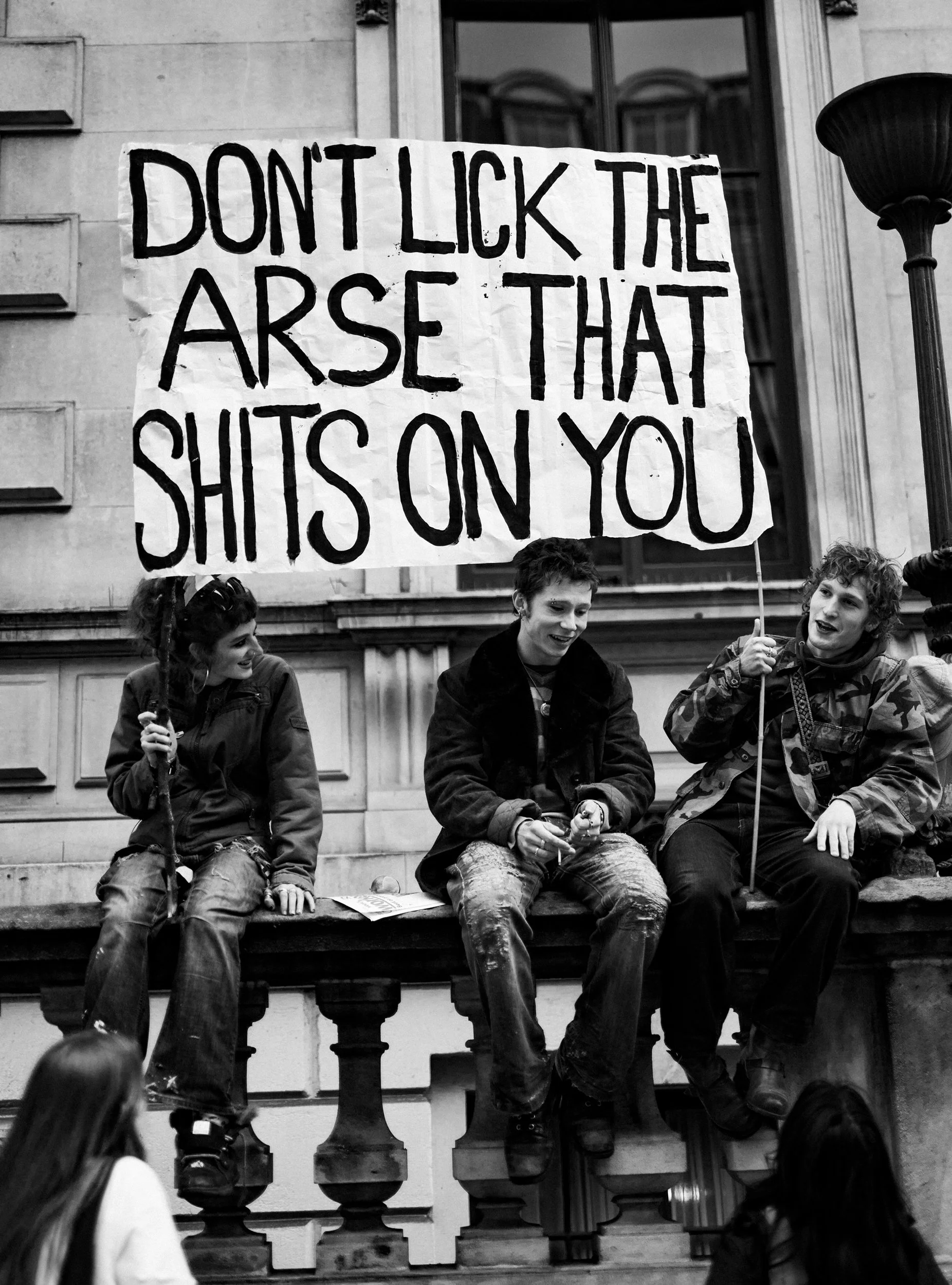
Don’t lick the arse that shits on you
You can see more on my YouTube
https://www.youtube.com/watch?v=eWdoKZVQBas