Listening for the Enemy: The Sound Mirrors at Dungeness
The Sound Mirrors at Dungeness
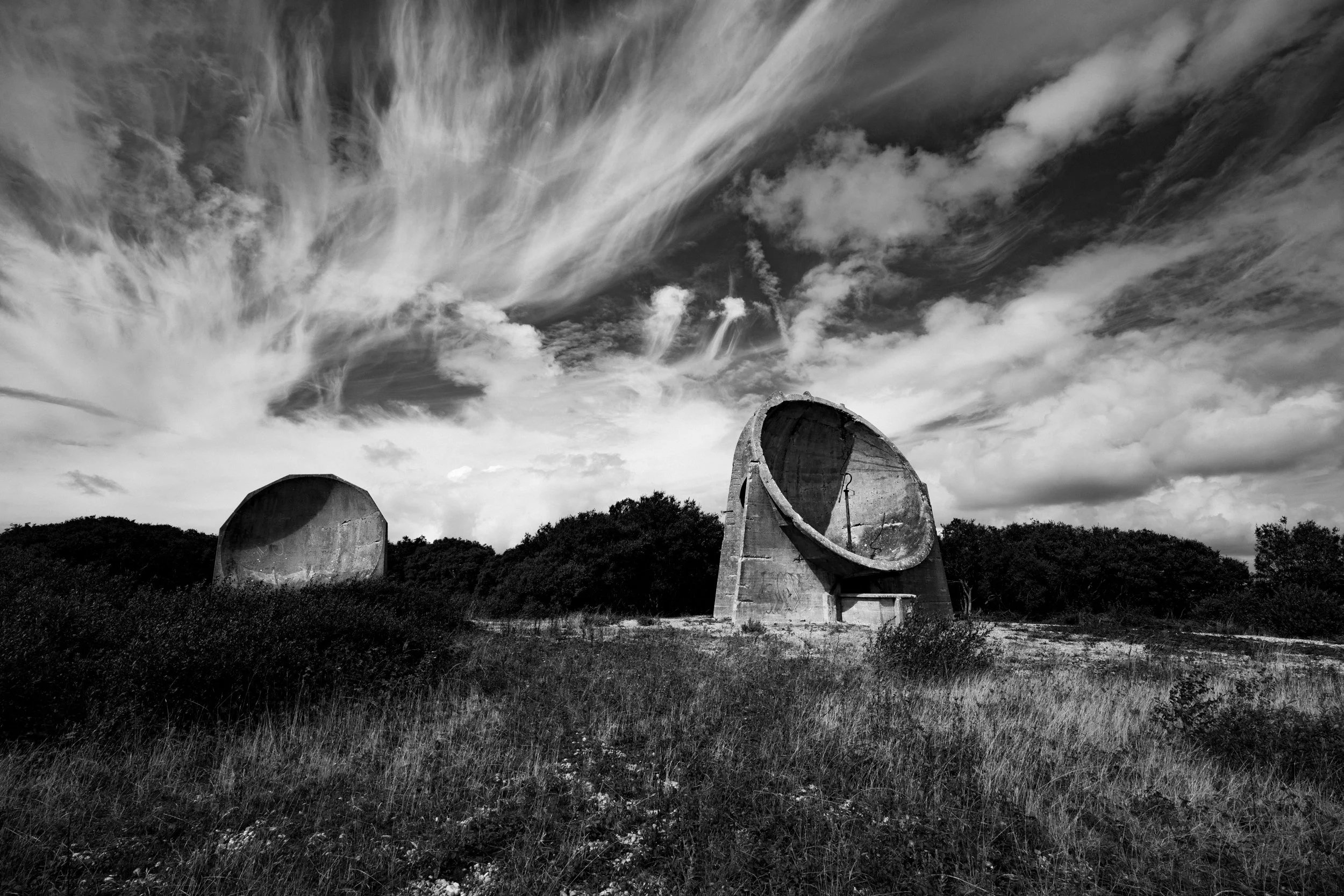
There are some places that just make you want to get your camera out before you’ve even taken the lens cap off. The Sound Mirrors down on the Kent coast at Dungeness are definitely one of them.
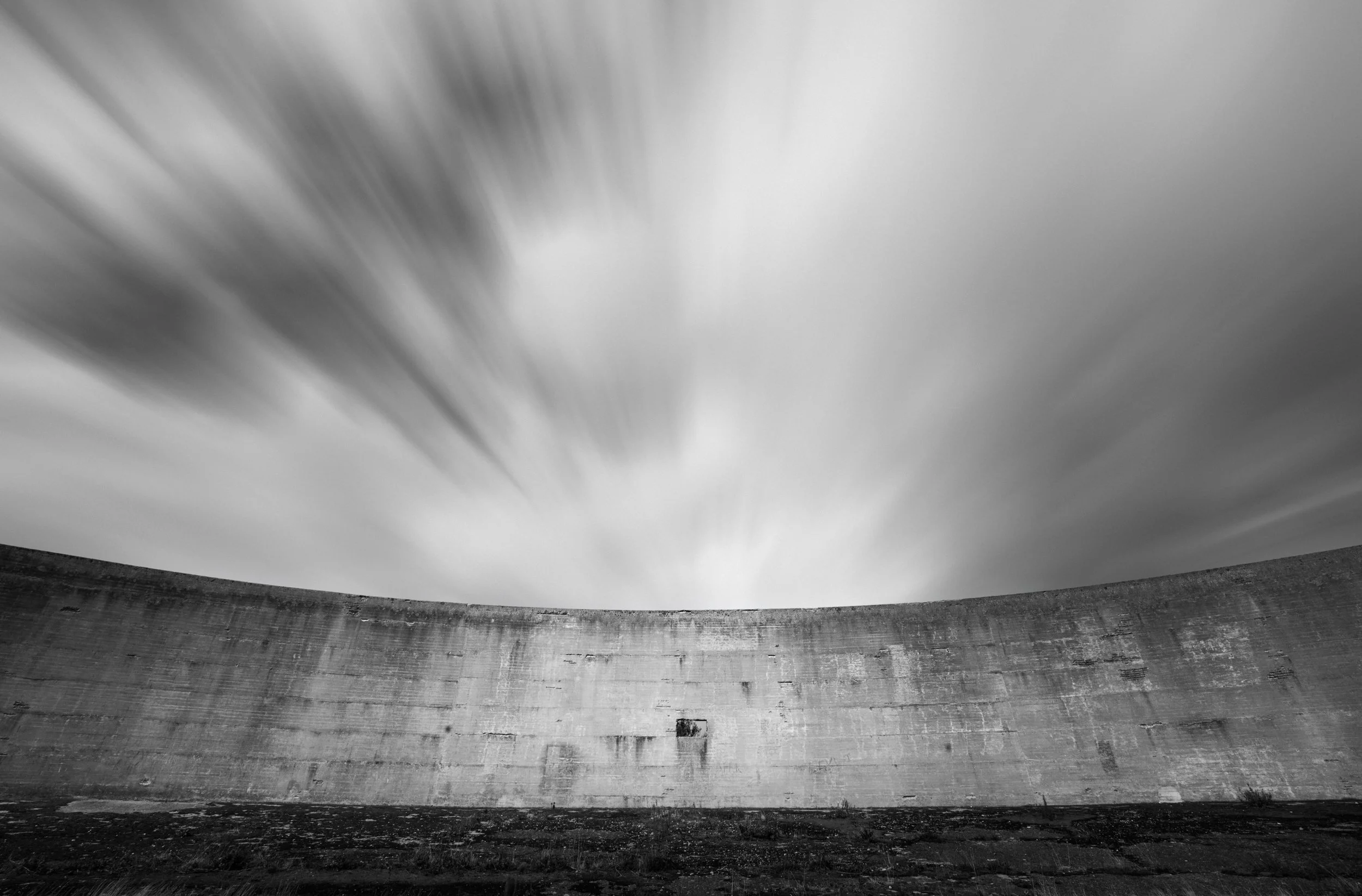
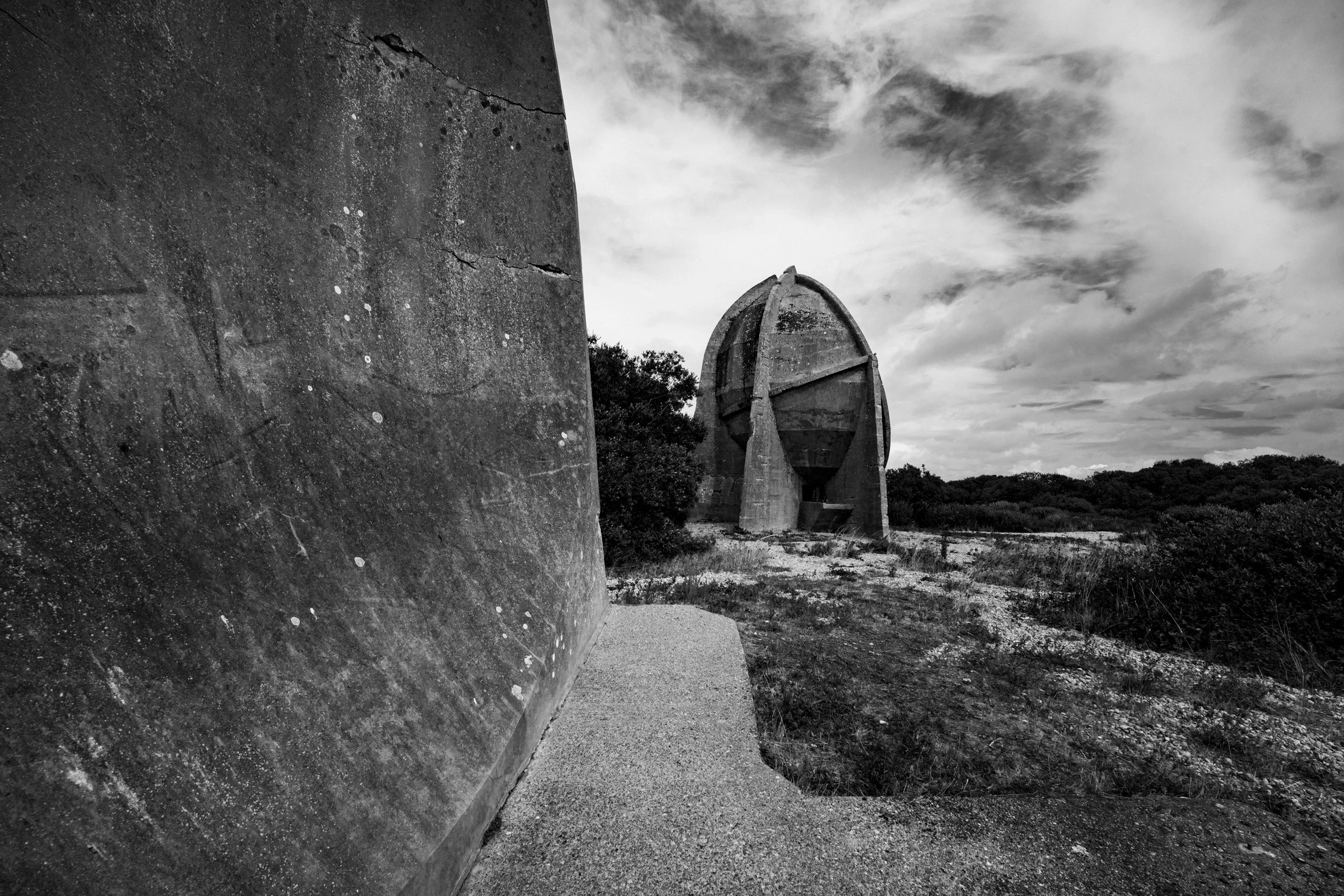
Built in the late 1920s, these enormous concrete structures were an early attempt to detect incoming aircraft. Before radar changed everything, the mirrors were designed to collect and concentrate the sound of approaching aircraft engines, allowing observers to listen for the enemy long before they could be seen.
It’s a fascinating bit of military history, made even more interesting by the fact that these particular mirrors were never actually used operationally. Radar arrived and very quickly made them obsolete.
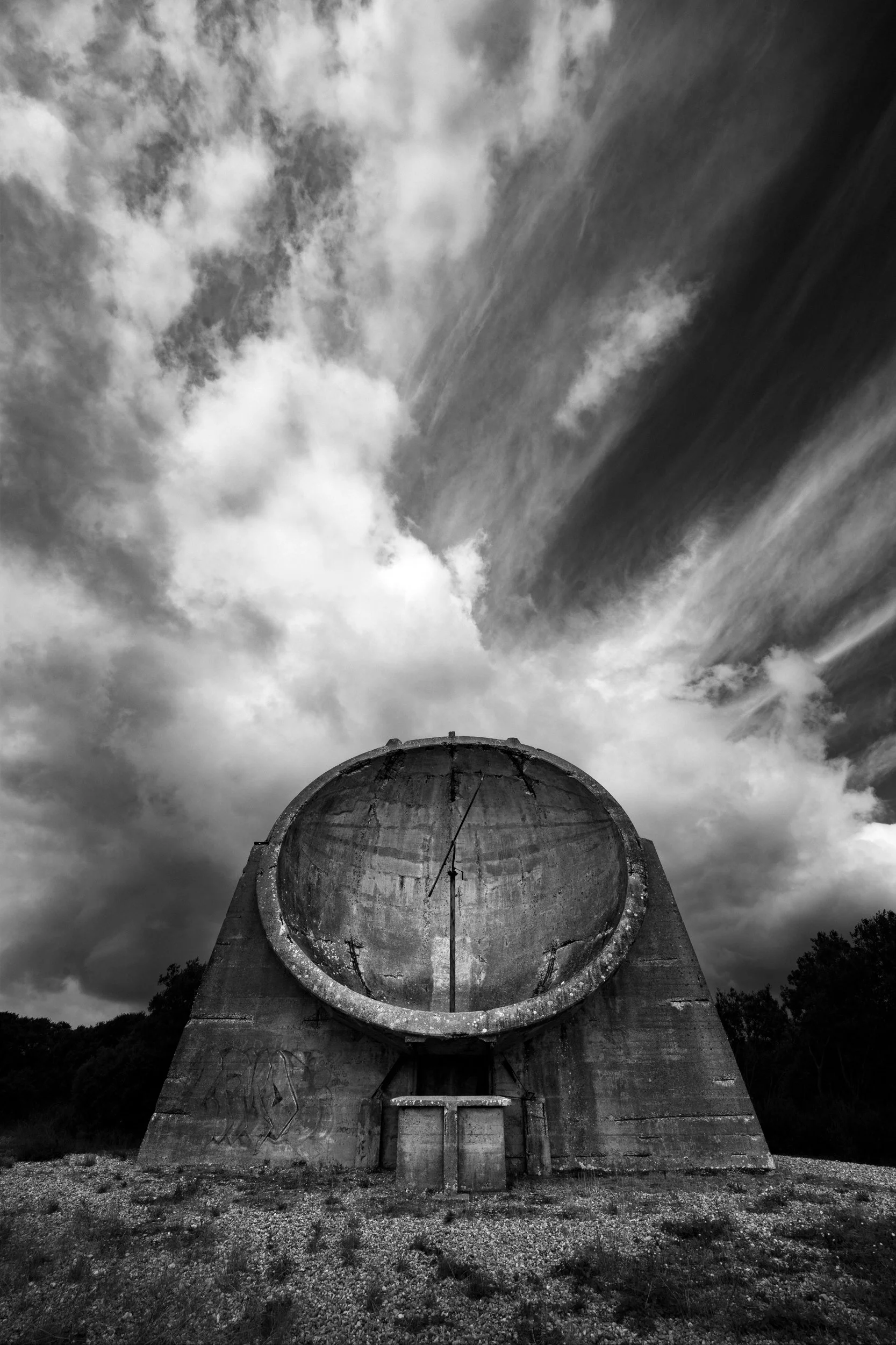
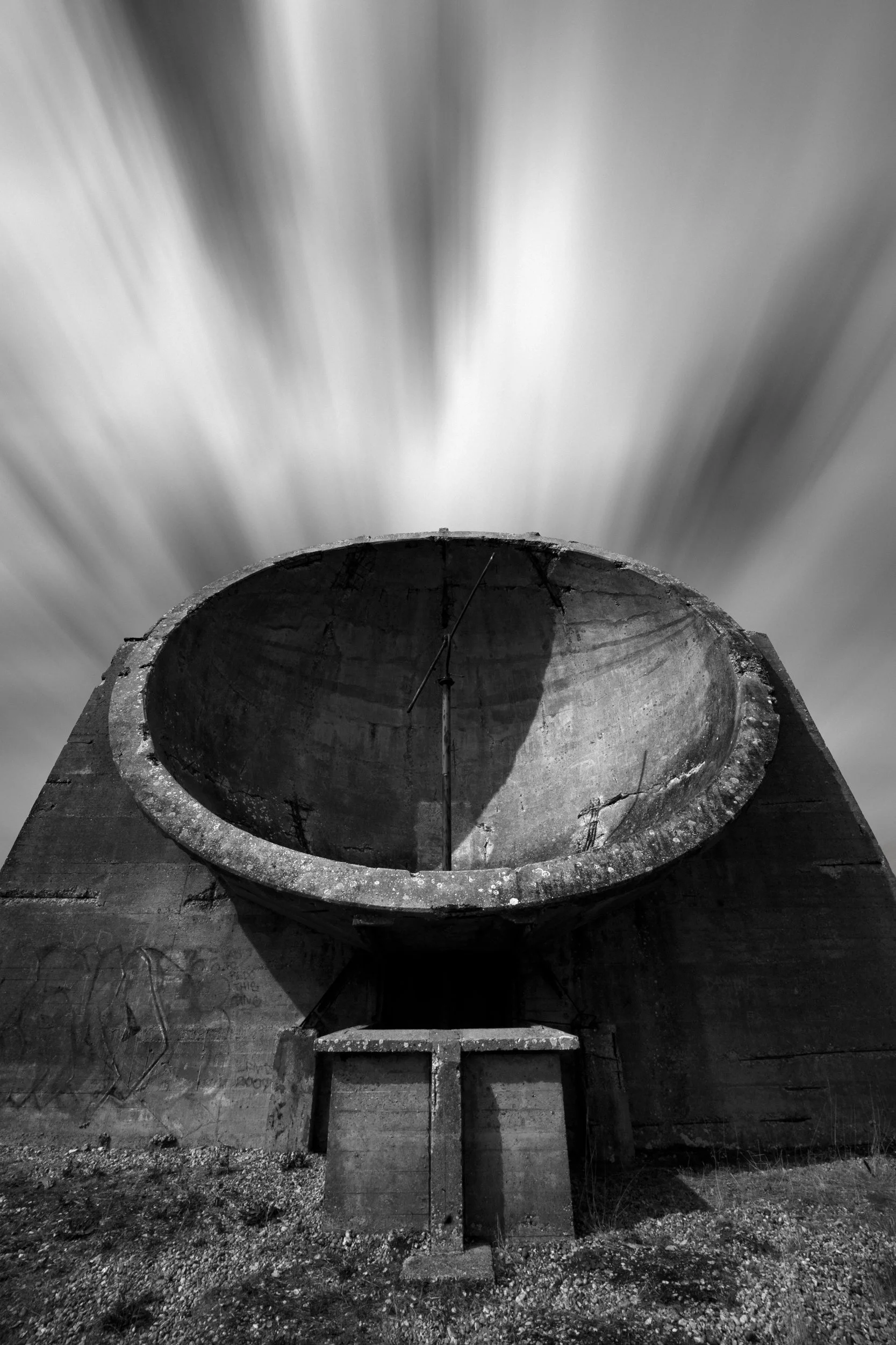
Ironically, despite never being put to the job they were designed for, they still found themselves on the receiving end of enemy aircraft. During the Second World War, the Luftwaffe attacked the area and the mirrors were shot at. You can still see the large bullet holes in the concrete today, a very tangible reminder that these strange structures were once part of Britain's early warning system.
And getting to see them isn't particularly easy.
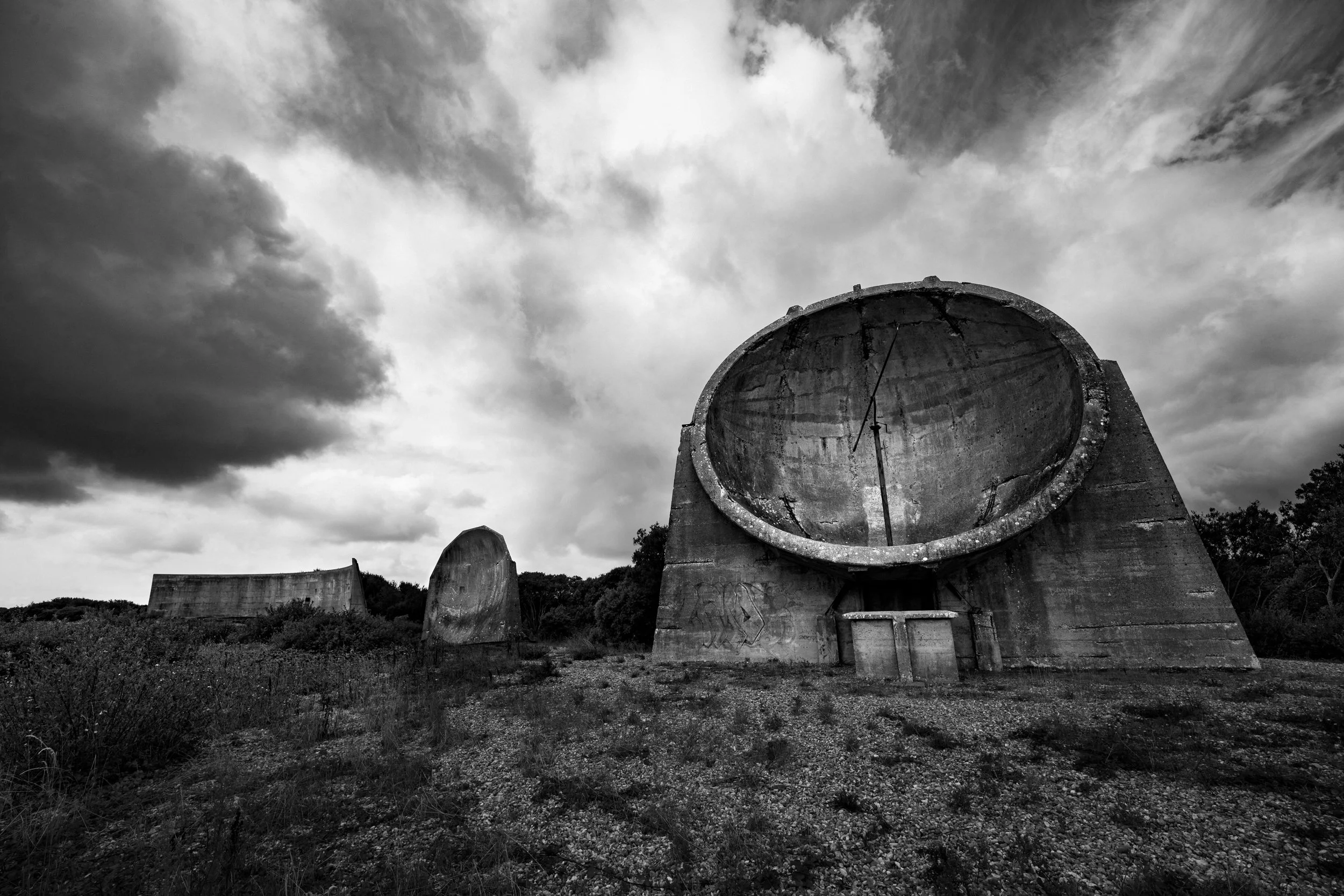
The mirrors sit on a small island within an area managed by the RSPB, and public access is extremely limited. Unless you're particularly keen on wading through the water, you have to wait for one of the occasional open days. They only open the site a couple of times a year, so I made sure I wasn't going to miss the opportunity.
I also knew it was going to get busy.
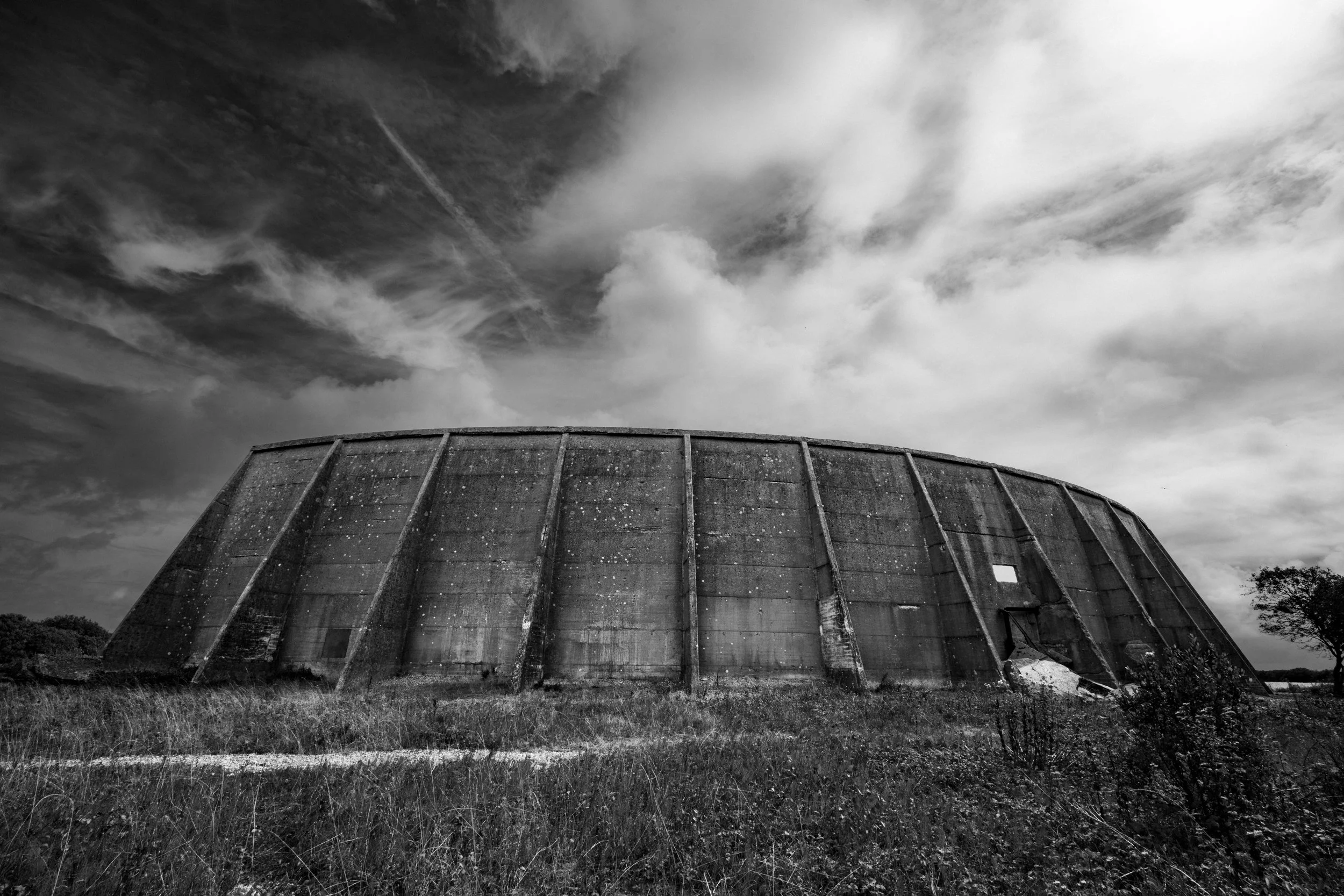
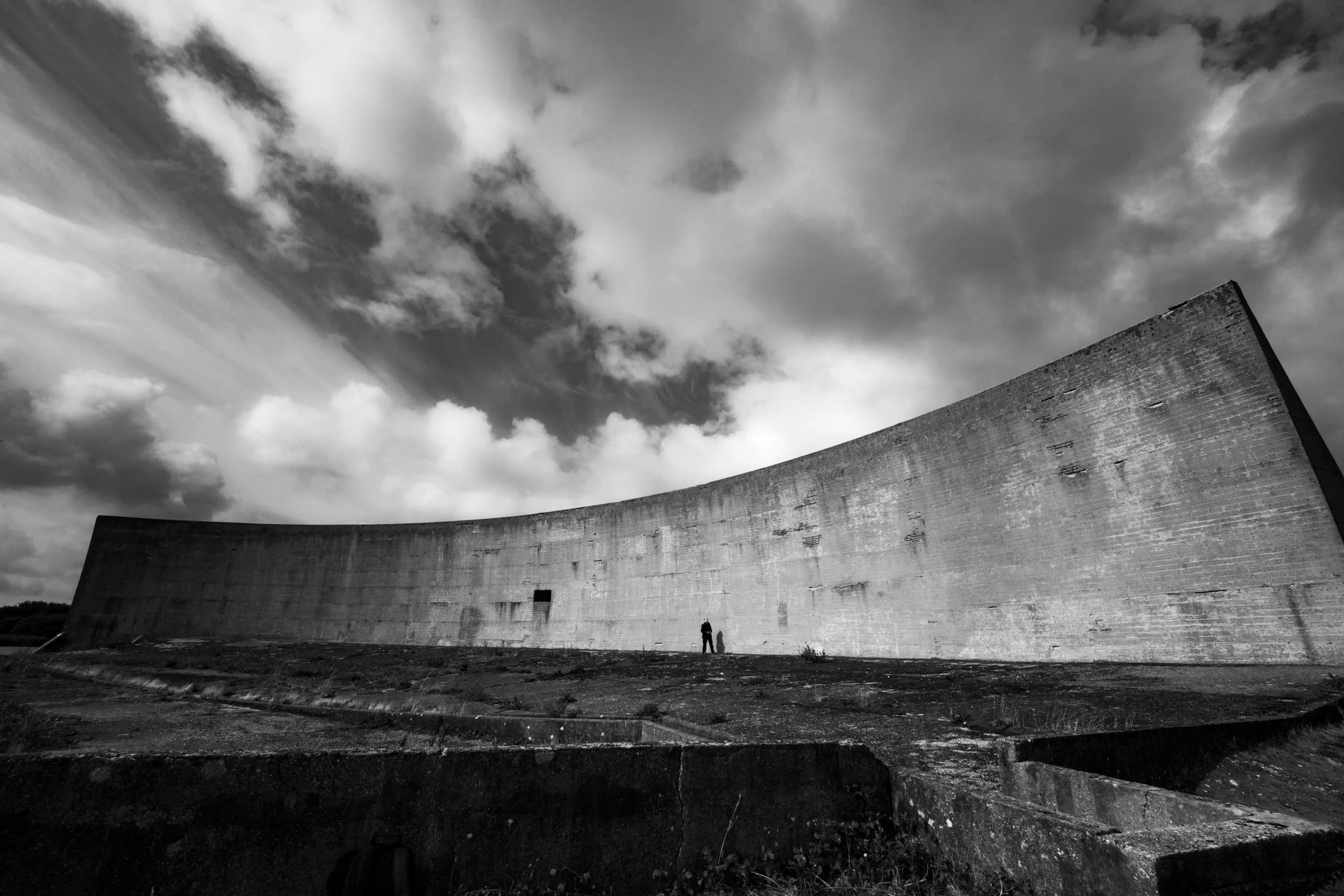
So, I got there early and made a beeline for the mirrors, grabbing as many photographs as I could before the crowds started arriving. There is something quite surreal about standing in front of them. They're huge, weathered and completely alien-looking, but at the same time they feel strangely familiar, almost like giant ears permanently listening towards the English Channel.
From a photographic point of view, they're brilliant.
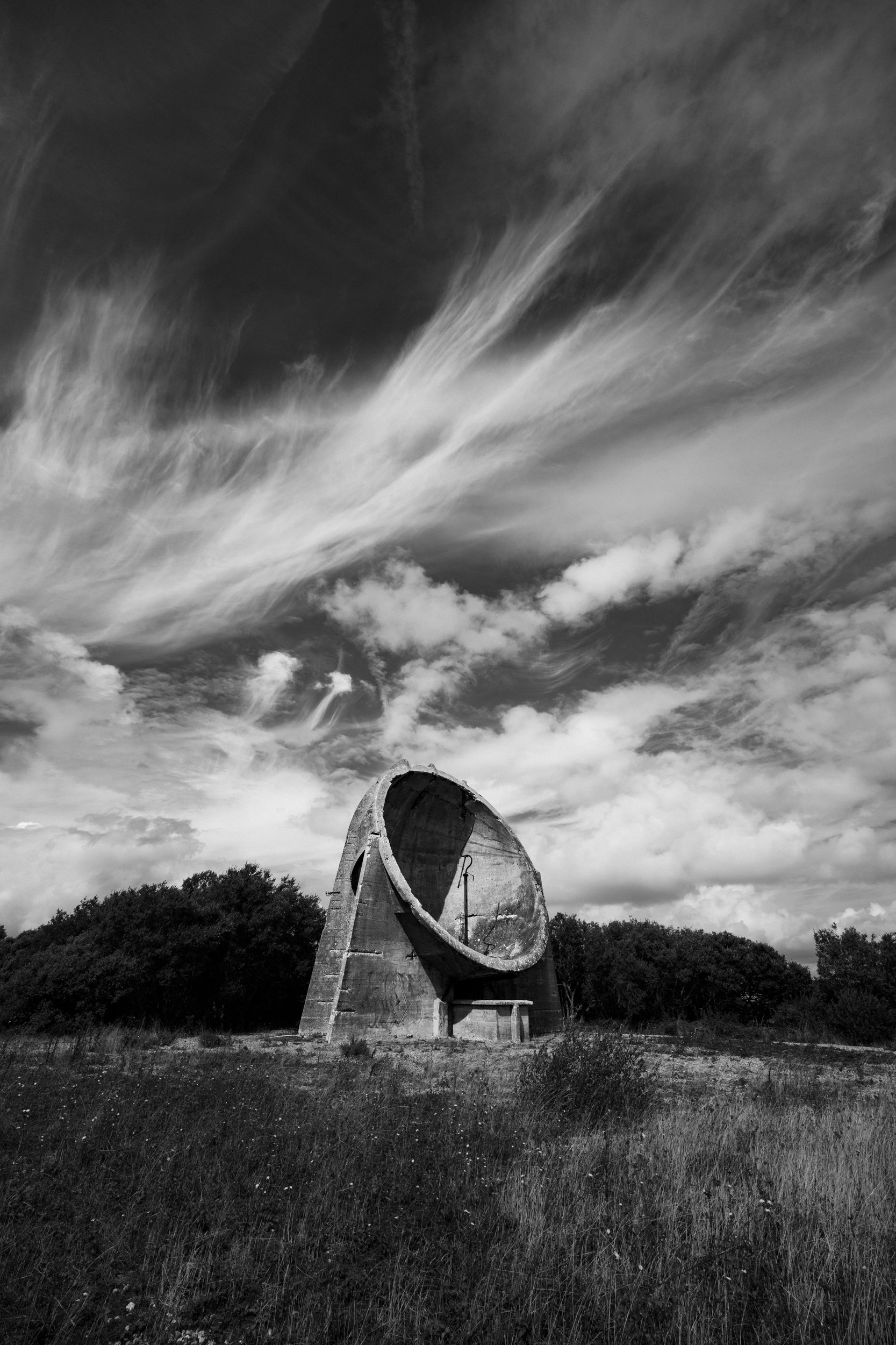
The concrete, the curves, the decay, the surrounding landscape and that slightly bleak Dungeness atmosphere all work beautifully in black and white. There are endless angles and details to explore, and I could easily have spent hours there without getting bored.
And, of course, I've already started thinking about going back.
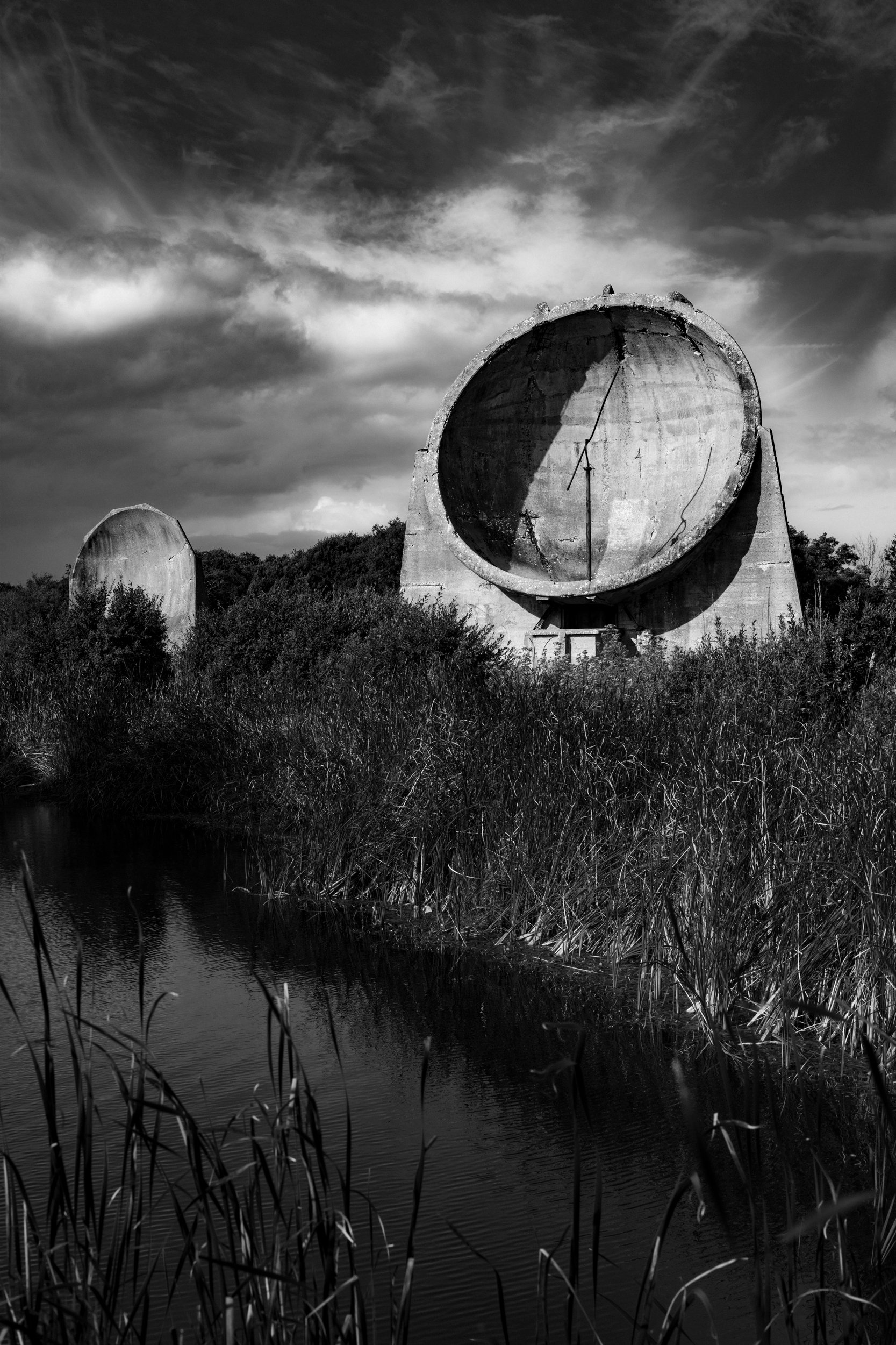
I'd absolutely love to photograph a model here. The scale of the mirrors against a human figure could make for some really interesting images, particularly with the stark, minimalist feel of the location.
There is, however, one small problem.
The place is covered in CCTV.
So unfortunately, the days of simply sneaking onto the island with a camera and a model are probably over. I'm going to have to do something I'm not particularly good at, ask permission and sweet-talk the RSPB.
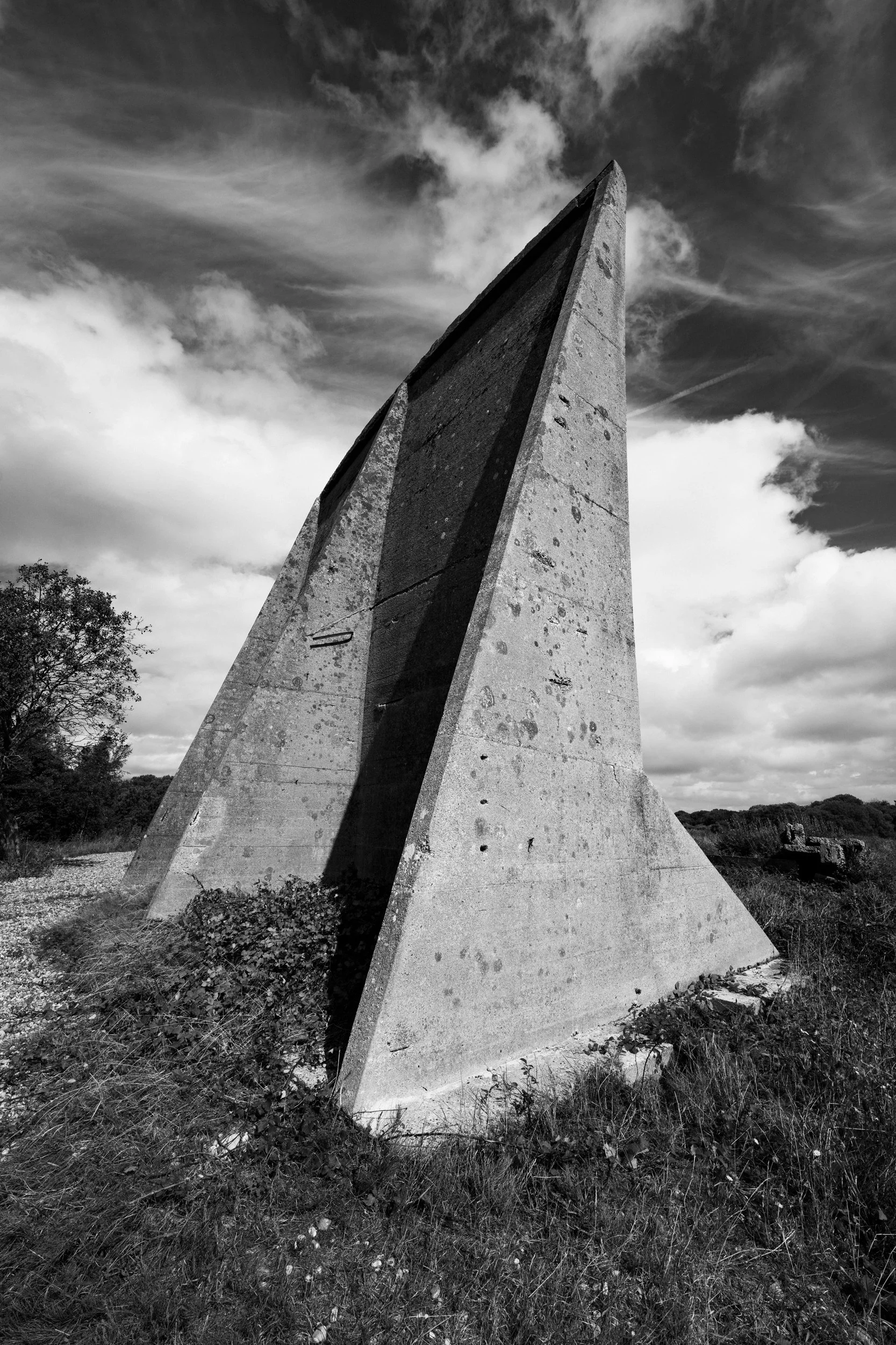
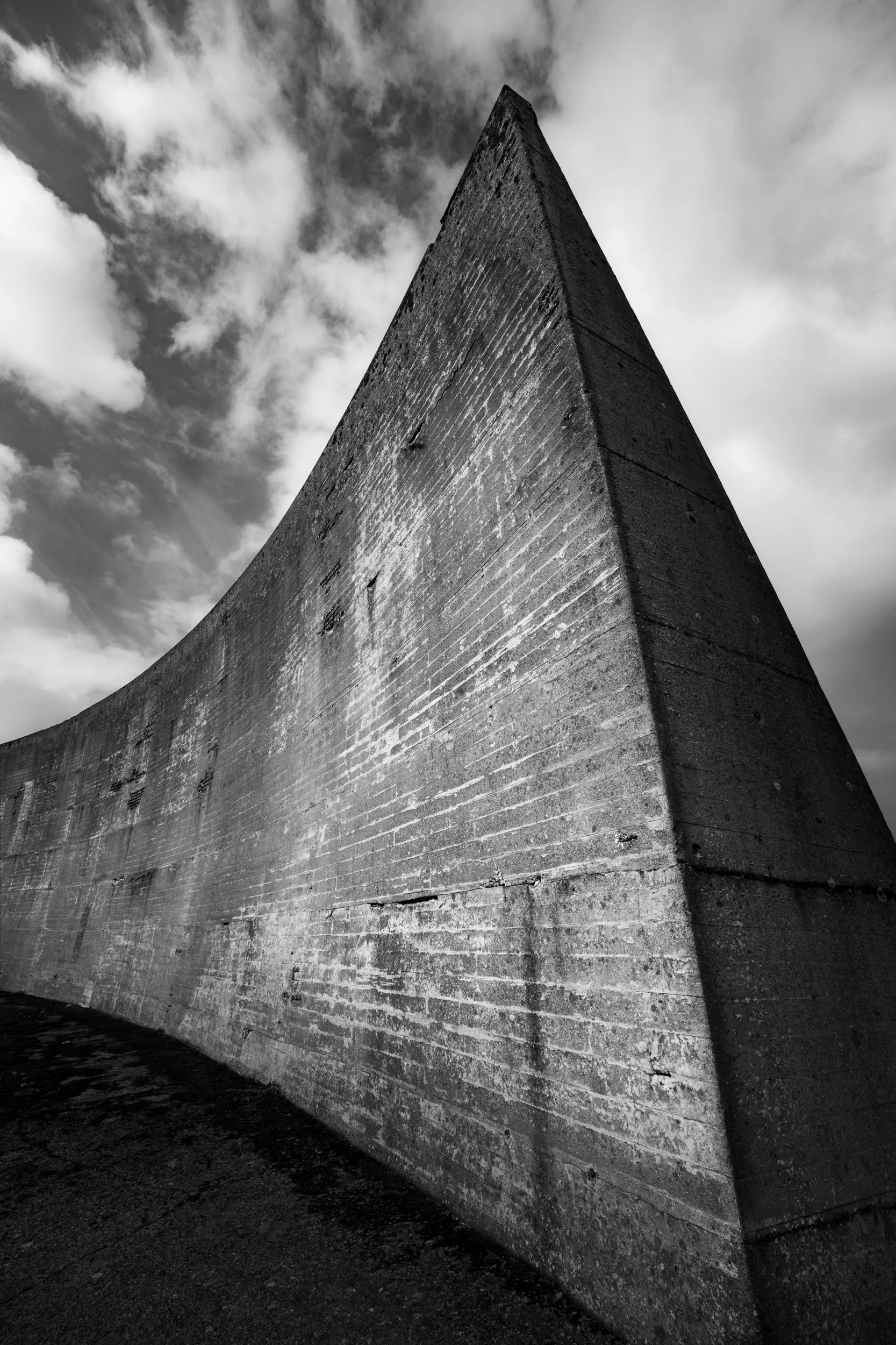
We'll see how that goes.
For now, though, I'm just glad I finally got the chance to photograph the Sound Mirrors. They're a fascinating piece of forgotten technology, a little bit of military history and, for a photographer, an absolutely fabulous location.
I'll definitely be back.
Hopefully next time, I'll be allowed to bring a model with me.